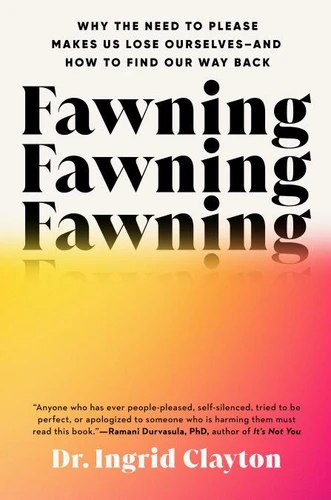
From a clinical psychologist and expert in complex trauma recovery comes a powerful guide introducing fawning, an often-overlooked piece of the fight-flight-freeze reaction to trauma-explaining what it is, why it happens, and how to help survivors regain their voice and sense of self. Most of us are familiar with the three F's of trauma-fight, flight, or freeze. But psychologists have identified a fourth, extremely common (yet little-understood) response: fawning.
Often conflated with "codependency" or "people-pleasing, " fawning occurs when we inexplicably draw closer to a person or relationship that causes pain, rather than pulling away. Do you apologize to people who have hurt you? Ignore their bad behavior? Befriend your bullies? Obsess about saying the right thing? Make yourself into someone you're not . . . while seeking approval that may never come? You might be a fawner.
Fawning explains why we stay in bad jobs, fall into unhealthy partnerships, and tolerate dysfunctional environments, even when it seems so obvious to others that we should go. And though fawning serves a purpose-it's an ingenious protective strategy in unsafe situations-it's a problem if it becomes a repetitive, compulsory reaction in our daily lives. But here's the good news: we can break the pattern of chronic fawning, once we see it for the trauma response it is.
Drawing on twenty years of clinical psychology work-as well as a lifetime of experience as a recovering fawner herself-Dr. Ingrid Clayton demonstrates WHY we fawn, HOW to recognize the signs of fawning (including taking blame, conflict avoidance, hypervigilance, and caretaking at the expense of ourselves), and WHAT we can do to successfully "unfawn" and finally be ourselves, in all our imperfect perfection.
From a clinical psychologist and expert in complex trauma recovery comes a powerful guide introducing fawning, an often-overlooked piece of the fight-flight-freeze reaction to trauma-explaining what it is, why it happens, and how to help survivors regain their voice and sense of self. Most of us are familiar with the three F's of trauma-fight, flight, or freeze. But psychologists have identified a fourth, extremely common (yet little-understood) response: fawning.
Often conflated with "codependency" or "people-pleasing, " fawning occurs when we inexplicably draw closer to a person or relationship that causes pain, rather than pulling away. Do you apologize to people who have hurt you? Ignore their bad behavior? Befriend your bullies? Obsess about saying the right thing? Make yourself into someone you're not . . . while seeking approval that may never come? You might be a fawner.
Fawning explains why we stay in bad jobs, fall into unhealthy partnerships, and tolerate dysfunctional environments, even when it seems so obvious to others that we should go. And though fawning serves a purpose-it's an ingenious protective strategy in unsafe situations-it's a problem if it becomes a repetitive, compulsory reaction in our daily lives. But here's the good news: we can break the pattern of chronic fawning, once we see it for the trauma response it is.
Drawing on twenty years of clinical psychology work-as well as a lifetime of experience as a recovering fawner herself-Dr. Ingrid Clayton demonstrates WHY we fawn, HOW to recognize the signs of fawning (including taking blame, conflict avoidance, hypervigilance, and caretaking at the expense of ourselves), and WHAT we can do to successfully "unfawn" and finally be ourselves, in all our imperfect perfection.

 , qui est-ce ?
