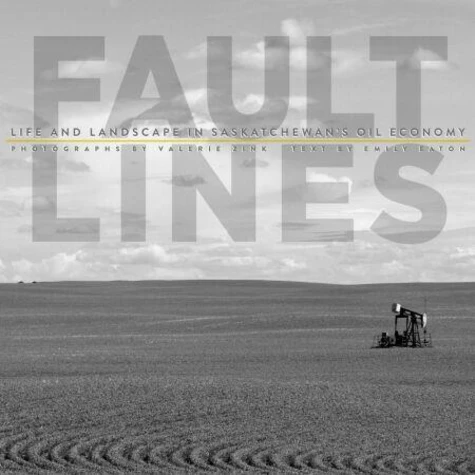
Oil is not new to Saskatchewan. Many of the wells found on farmland across the province date back to the 1950s when the industry began to spread. But there is little doubt that the recent boom (2006-2014) and subsequent downturn in unconventional oil production has reshaped rural lives and landscapes. While many small towns were suffering from depopulation and decline, others reoriented themselves around a booming oil industry.
In place of the abandoned houses and shuttered shops found in many small towns in Saskatchewan, housing developments sprang up with new trucks and boats parked in driveways. Yet people in oil-producing areas also lived amid flare stacks that made them ill, had trouble finding housing due to vacancy rates that were among the lowest in the country, suffered through family breakdown because of long working hours and time spent away from home, and endured spills and leaks that contaminated their land.
In the summer of 2014, at the height of the boom, geographer Emily Eaton and photographer Valerie Zink travelled to oil towns across the province, from the sea-can motel built from shipping containers on the outskirts of Estevan to seismic testing sites on Thunderchild First Nation's Sundance grounds.
Oil is not new to Saskatchewan. Many of the wells found on farmland across the province date back to the 1950s when the industry began to spread. But there is little doubt that the recent boom (2006-2014) and subsequent downturn in unconventional oil production has reshaped rural lives and landscapes. While many small towns were suffering from depopulation and decline, others reoriented themselves around a booming oil industry.
In place of the abandoned houses and shuttered shops found in many small towns in Saskatchewan, housing developments sprang up with new trucks and boats parked in driveways. Yet people in oil-producing areas also lived amid flare stacks that made them ill, had trouble finding housing due to vacancy rates that were among the lowest in the country, suffered through family breakdown because of long working hours and time spent away from home, and endured spills and leaks that contaminated their land.
In the summer of 2014, at the height of the boom, geographer Emily Eaton and photographer Valerie Zink travelled to oil towns across the province, from the sea-can motel built from shipping containers on the outskirts of Estevan to seismic testing sites on Thunderchild First Nation's Sundance grounds.