SOLDES
Jusqu'à -70% sur une sélection d'articles*

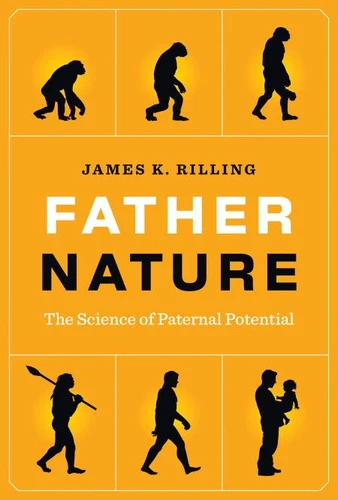
Father Nature. The Science of Paternal Potential
Par :Formats :
Disponible dans votre compte client Decitre ou Furet du Nord dès validation de votre commande. Le format ePub protégé est :
- Compatible avec une lecture sur My Vivlio (smartphone, tablette, ordinateur)
- Compatible avec une lecture sur liseuses Vivlio
- Pour les liseuses autres que Vivlio, vous devez utiliser le logiciel Adobe Digital Edition. Non compatible avec la lecture sur les liseuses Kindle, Remarkable et Sony
- Non compatible avec un achat hors France métropolitaine
 , qui est-ce ?
Notre partenaire de plateforme de lecture numérique où vous retrouverez l'ensemble de vos ebooks gratuitement
Pour en savoir plus sur nos ebooks, consultez notre aide en ligne ici
C'est si simple ! Lisez votre ebook avec l'app Vivlio sur votre tablette, mobile ou ordinateur :

- Nombre de pages392
- FormatePub
- ISBN978-0-262-37822-2
- EAN9780262378222
- Date de parution01/10/2024
- Protection num.Adobe DRM
- Taille2 Mo
- Infos supplémentairesepub
- ÉditeurThe MIT Press
Résumé
How and why human males evolved the capacity to be highly involved caregivers-and why some are more involved than others. We all know the importance of mothers. They are typically as paramount in the wild as they are in human relationships. But what about fathers? In most mammals, including our closest living primate relatives, fathers have little to no involvement in raising their offspring-and sometimes even kill the offspring sired by other fathers.
How, then, can we explain modern fathers having the capacity to be highly engaged parents? In Father Nature, James Rilling explores how humans have evolved to endow modern fathers with this potential and considers why this capacity evolved in humans. Paternal caregiving is advantageous to children and, by extension, to society at large, yet variable both across and within human societies. Rilling considers how to explain this variability and what social and policy changes might be implemented to increase positive paternal involvement.
Along the way, Father Nature also covers the impact fathers have on children's development, the evolution of paternal caregiving, how natural selection adapted male physiology for caregiving, and finally, what lessons an expecting father can take away from the book, as well as what benefits they themselves get from raising children, including increased longevity and "younger" brains. A beautifully written book by a father himself, Father Nature is a much-needed-and deeply rewarding-look at the science behind "good" paternal behavior in humans.
How, then, can we explain modern fathers having the capacity to be highly engaged parents? In Father Nature, James Rilling explores how humans have evolved to endow modern fathers with this potential and considers why this capacity evolved in humans. Paternal caregiving is advantageous to children and, by extension, to society at large, yet variable both across and within human societies. Rilling considers how to explain this variability and what social and policy changes might be implemented to increase positive paternal involvement.
Along the way, Father Nature also covers the impact fathers have on children's development, the evolution of paternal caregiving, how natural selection adapted male physiology for caregiving, and finally, what lessons an expecting father can take away from the book, as well as what benefits they themselves get from raising children, including increased longevity and "younger" brains. A beautifully written book by a father himself, Father Nature is a much-needed-and deeply rewarding-look at the science behind "good" paternal behavior in humans.