SOLDES
Jusqu'à -70% sur une sélection d'articles*

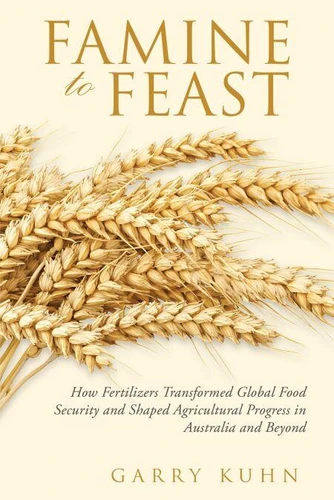
Famine to Feast: How Fertilizers Transformed Global Food Security and Shaped Agricultural Progress in Australia and Beyond
Par :Formats :
Disponible dans votre compte client Decitre ou Furet du Nord dès validation de votre commande. Le format ePub est :
- Compatible avec une lecture sur My Vivlio (smartphone, tablette, ordinateur)
- Compatible avec une lecture sur liseuses Vivlio
- Pour les liseuses autres que Vivlio, vous devez utiliser le logiciel Adobe Digital Edition. Non compatible avec la lecture sur les liseuses Kindle, Remarkable et Sony
 , qui est-ce ?
Notre partenaire de plateforme de lecture numérique où vous retrouverez l'ensemble de vos ebooks gratuitement
Pour en savoir plus sur nos ebooks, consultez notre aide en ligne ici
C'est si simple ! Lisez votre ebook avec l'app Vivlio sur votre tablette, mobile ou ordinateur :

- FormatePub
- ISBN978-1-83418-711-2
- EAN9781834187112
- Date de parution12/03/2026
- Protection num.pas de protection
- Infos supplémentairesepub
- ÉditeurTellwell Talent
Résumé
This book looks at key developments in the supply of fertilizers, overseas and in Australia, in sustaining the world's population. Other uses that are made of chemicals used as fertilizers are discussed, as well as some of the environmental impacts of fertilizer manufacture and use. Less than two hundred years ago, naturally occurring ores and organic plant and animal wastes were used as fertilizer.
There was not enough of these products to meet demand. People were malnourished. The first chemically altered phosphorus (P) fertilizer to be used was single superphosphate (SSP). In Australia, superphosphate was first used in wheat grown in rotation with legume-based pastures. From the late 1960s high analysis ammonium phosphate fertilizers replaced superphosphate in cropping. Superphosphate continued to be used on pasture.
The first nitrogen (N) fertilizer to be used in Australia was byproduct ammonium sulfate from gasworks and the steel industry. Ammonium sulfate was later synthesized by reacting ammonia produced through the Haber Bosch process with sulfuric acid. The Haber Bosch process is regarded as one of the most, if not the most important technological development of the 20th century. In the 1970s urea overtook ammonium sulfate as the most popular nitrogen fertilizer.
In 1850, there were 1.25 billion people on earth. In 2025, that number exceeded eight billion. Australia's population was 27.5 million. About three-quarters of Australia's rural produce is exported. The nation feeds and clothes a population of around 100 million. This would not be possible without advances in chemical engineering and agricultural science.
There was not enough of these products to meet demand. People were malnourished. The first chemically altered phosphorus (P) fertilizer to be used was single superphosphate (SSP). In Australia, superphosphate was first used in wheat grown in rotation with legume-based pastures. From the late 1960s high analysis ammonium phosphate fertilizers replaced superphosphate in cropping. Superphosphate continued to be used on pasture.
The first nitrogen (N) fertilizer to be used in Australia was byproduct ammonium sulfate from gasworks and the steel industry. Ammonium sulfate was later synthesized by reacting ammonia produced through the Haber Bosch process with sulfuric acid. The Haber Bosch process is regarded as one of the most, if not the most important technological development of the 20th century. In the 1970s urea overtook ammonium sulfate as the most popular nitrogen fertilizer.
In 1850, there were 1.25 billion people on earth. In 2025, that number exceeded eight billion. Australia's population was 27.5 million. About three-quarters of Australia's rural produce is exported. The nation feeds and clothes a population of around 100 million. This would not be possible without advances in chemical engineering and agricultural science.