SOLDES
Jusqu'à -70% sur une sélection d'articles*

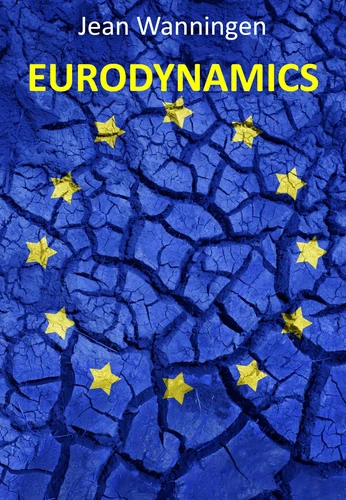
Eurodynamics. from partnership to transfer union
Par :Formats :
Disponible dans votre compte client Decitre ou Furet du Nord dès validation de votre commande. Le format ePub est :
- Compatible avec une lecture sur My Vivlio (smartphone, tablette, ordinateur)
- Compatible avec une lecture sur liseuses Vivlio
- Pour les liseuses autres que Vivlio, vous devez utiliser le logiciel Adobe Digital Edition. Non compatible avec la lecture sur les liseuses Kindle, Remarkable et Sony
 , qui est-ce ?
Notre partenaire de plateforme de lecture numérique où vous retrouverez l'ensemble de vos ebooks gratuitement
Pour en savoir plus sur nos ebooks, consultez notre aide en ligne ici
C'est si simple ! Lisez votre ebook avec l'app Vivlio sur votre tablette, mobile ou ordinateur :

- Nombre de pages287
- FormatePub
- ISBN978-90-6523-098-0
- EAN9789065230980
- Date de parution30/08/2022
- Protection num.Digital Watermarking
- Taille15 Mo
- Infos supplémentairesepub
- ÉditeurUitgeverij van Brug
Résumé
Five years after the publication of Het Eurobedrog, a book about the genesis of the European Union and the introduction of the euro, Jean Wanningen publishes EURODYNAMICA - From partnership to transfer union. In those five years, criticism of the single currency has grown considerably. Friend and foe alike agree on one thing: the euro was a political currency, mainly instigated by France to break through Germany's monetary power.
For Germany itself, the currency was important to make German unification possible. What has happened since then? And above all: are we better off in the Netherlands now than five years ago? The answers to these and other questions can be found in this new book by Wanningen, in which he focuses on problem number one: the euro. Or more precisely: the future of the euro and the European Monetary Union.
It has been written for you, for everyone, and certainly also for politicians, who want to know what has really happened in the monetary and economic field over the past five years. Where are we now as the EU? And what does that mean for our future? In three parts, Wanningen broadens your view on: 1. the North-South divide within the euro area and the measures taken by the Council, the Commission and the ECB to save the euro and keep the euro area together. 2.
the bloc's three largest economies: Germany, France and Italy. How did those countries get through the past five years? What are their biggest challenges? The Netherlands will of course also be discussed. 3. the future of the European landscape after 2019. Will the number of populists in the European Parliament increase sharply? And what does that mean for the future course? Is a sound, future-proof financial system being built or will the taxpayer still remain the lender of last resort through the eurozone's permanent emergency fund, the ESM? And finally the key question: can a permanent transfer union from North to South still be avoided?
For Germany itself, the currency was important to make German unification possible. What has happened since then? And above all: are we better off in the Netherlands now than five years ago? The answers to these and other questions can be found in this new book by Wanningen, in which he focuses on problem number one: the euro. Or more precisely: the future of the euro and the European Monetary Union.
It has been written for you, for everyone, and certainly also for politicians, who want to know what has really happened in the monetary and economic field over the past five years. Where are we now as the EU? And what does that mean for our future? In three parts, Wanningen broadens your view on: 1. the North-South divide within the euro area and the measures taken by the Council, the Commission and the ECB to save the euro and keep the euro area together. 2.
the bloc's three largest economies: Germany, France and Italy. How did those countries get through the past five years? What are their biggest challenges? The Netherlands will of course also be discussed. 3. the future of the European landscape after 2019. Will the number of populists in the European Parliament increase sharply? And what does that mean for the future course? Is a sound, future-proof financial system being built or will the taxpayer still remain the lender of last resort through the eurozone's permanent emergency fund, the ESM? And finally the key question: can a permanent transfer union from North to South still be avoided?