SOLDES
Jusqu'à -70% sur une sélection d'articles*

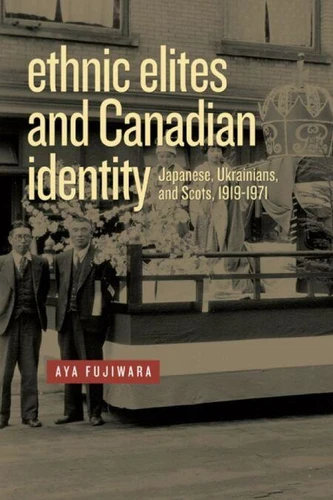
Ethnic Elites and Canadian Identity. Japanese, Ukrainians, and Scots, 1919-1971
Par :Formats :
Disponible dans votre compte client Decitre ou Furet du Nord dès validation de votre commande. Le format ePub est :
- Compatible avec une lecture sur My Vivlio (smartphone, tablette, ordinateur)
- Compatible avec une lecture sur liseuses Vivlio
- Pour les liseuses autres que Vivlio, vous devez utiliser le logiciel Adobe Digital Edition. Non compatible avec la lecture sur les liseuses Kindle, Remarkable et Sony
 , qui est-ce ?
Notre partenaire de plateforme de lecture numérique où vous retrouverez l'ensemble de vos ebooks gratuitement
Pour en savoir plus sur nos ebooks, consultez notre aide en ligne ici
C'est si simple ! Lisez votre ebook avec l'app Vivlio sur votre tablette, mobile ou ordinateur :

- Nombre de pages272
- FormatePub
- ISBN978-0-88755-429-2
- EAN9780887554292
- Date de parution30/11/2012
- Protection num.Digital Watermarking
- Taille3 Mo
- Infos supplémentairesepub
- ÉditeurUniversity of Manitoba Press
Résumé
Ethnic elites, the influential business owners, teachers, and newspaper editors within distinct ethnic communities, play an important role as self-appointed mediators between their communities and "mainstream" societies. In Ethnic Elites and Canadian Identity, Aya Fujiwara examines the roles of Japanese, Ukrainian, and Scottish elites during the transition of Canadian identity from Anglo-conformity to ethnic pluralism.
By comparing the strategies and discourses used by each community, including rhetoric, myths, collective memories, and symbols, she reveals how prewar community leaders were driving forces in the development of multiculturalism policy. In doing so, she challenges the widely held notion that multiculturalism was a product of the 1960s formulated and promoted by "mainstream" Canadians and places the emergence of Canadian multiculturalism within a transnational context.
By comparing the strategies and discourses used by each community, including rhetoric, myths, collective memories, and symbols, she reveals how prewar community leaders were driving forces in the development of multiculturalism policy. In doing so, she challenges the widely held notion that multiculturalism was a product of the 1960s formulated and promoted by "mainstream" Canadians and places the emergence of Canadian multiculturalism within a transnational context.