
Lydia Davis is the author of Collected Stories, one novel and six short story collections, the most recent of which was a finalist for the 2007 National Book Award. She is the recipient of a MacArthur Fellowship and was named a Chevalier of the Order of Arts and Letters by the French government for her fiction and her translations of modern writers, including Gustave Flaubert and Marcel Proust. She won the Man Booker International Prize in 2013.
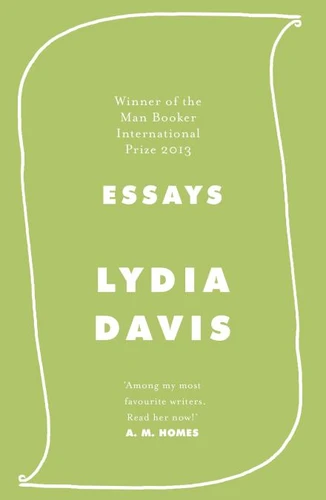
Essays. A dazzling collection from the International Booker Prize-winning author of Can’t and Won’t
Par :Formats :
Disponible dans votre compte client Decitre ou Furet du Nord dès validation de votre commande. Le format ePub protégé est :
- Compatible avec une lecture sur My Vivlio (smartphone, tablette, ordinateur)
- Compatible avec une lecture sur liseuses Vivlio
- Pour les liseuses autres que Vivlio, vous devez utiliser le logiciel Adobe Digital Edition. Non compatible avec la lecture sur les liseuses Kindle, Remarkable et Sony
- Non compatible avec un achat hors France métropolitaine
 , qui est-ce ?
Notre partenaire de plateforme de lecture numérique où vous retrouverez l'ensemble de vos ebooks gratuitement
Pour en savoir plus sur nos ebooks, consultez notre aide en ligne ici
C'est si simple ! Lisez votre ebook avec l'app Vivlio sur votre tablette, mobile ou ordinateur :

- Nombre de pages528
- FormatePub
- ISBN978-0-241-98546-5
- EAN9780241985465
- Date de parution07/11/2019
- Protection num.Adobe DRM
- Infos supplémentairesepub
- ÉditeurPENGUIN
Résumé
From the International Man Booker Prize-winning author of Can't and Won't and The End of the Story - a crystalline collection of literary essays for fans of Susan Sontag and Joan Didion'Among my most favourite writers. Read her now!' A. M. Homes The visionary, fearless Lydia Davis presents a dazzling collection of essays on reading and writing, exploring the full scope of possibility within existing forms of literature and considering how we might challenge and reinvent these forms.
Through Thomas Pynchon, Michel Leiris, Maurice Blanchot, Lucia Berlin, Joan Mitchell and others, he author considers her many creative influences. And, through these lenses, she returns to her own writing process, her relationship to language and the written word. Beautifully formed, thought-provoking, playful and illuminating, these pieces are a masterclass in reading and writing.
Through Thomas Pynchon, Michel Leiris, Maurice Blanchot, Lucia Berlin, Joan Mitchell and others, he author considers her many creative influences. And, through these lenses, she returns to her own writing process, her relationship to language and the written word. Beautifully formed, thought-provoking, playful and illuminating, these pieces are a masterclass in reading and writing.
A propos de Lydia Davis

5/5
5/5
Manuel à l'usage des femmes de ménage - Occasion
Grand Format
12,65 €
6,99 €

Histoire réversible
Grand Format
24,00 €

12,99 €
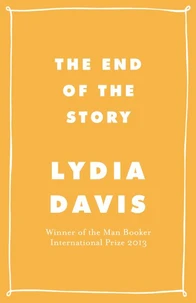
The End of the Story
E-book
8,99 €

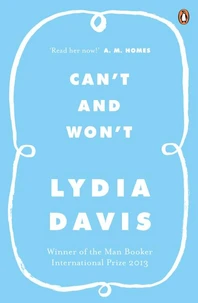
Can't and Won't
E-book
8,99 €
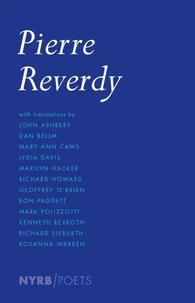
Pierre Reverdy
E-book
14,66 €
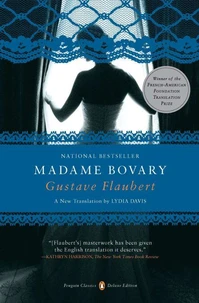
12,61 €
9,49 €

5/5
5/5
9,90 €