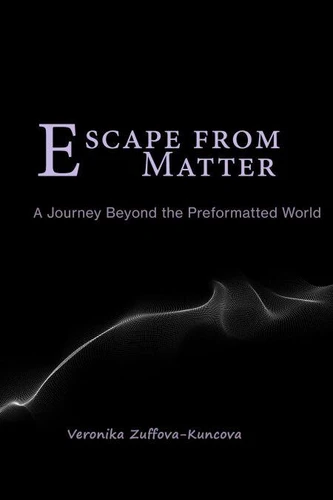
Escape from Matter explores the movement from structure to transformation-across the terrains of science, belief systems, spirituality, and lived experience. It examines how we inherit 'heavy' inner patterns-social, psychological, and (meta)physical-and asks what it might mean to become lighter, freer, and more coherent without sacrificing intellectual rigour. Moving along the boundary between matter and energy, and into the lived experience of time, gravity, and 'weight' within the human psyche, the work approaches inertia as something to be understood, engaged with, and gradually transformed.
Not all structures dissolve. Not all realities remain fixed. This volume forms the yang component of a yin-yang collection. It moves outward, engaging with form-reinterpreting inherited frameworks and reshaping them into a living process of inquiry and change. Rather than offering simplified self-help solutions, it frames the question of 'escaping what matters' as a deeper existential challenge-one that emerges across cultures and draws on both Eastern and Western traditions.
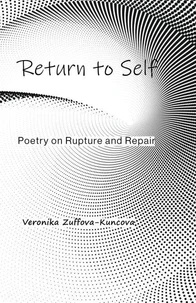
At its core lies a reinterpretation of the cross-not as a symbol of suffering alone, but as a reflection of the personal self and a practical framework for inner development, accessible beyond any single faith tradition. Its counterpart, Return to Self: Poetry on Rupture and Repair, explores the complementary inward movement: entering emptiness, where dissolution paves the way for renewal. For those who understand that yang is not force-and that transformation begins with seeing things differently.
Books are also available in hardback from major online booksellers.
Escape from Matter explores the movement from structure to transformation-across the terrains of science, belief systems, spirituality, and lived experience. It examines how we inherit 'heavy' inner patterns-social, psychological, and (meta)physical-and asks what it might mean to become lighter, freer, and more coherent without sacrificing intellectual rigour. Moving along the boundary between matter and energy, and into the lived experience of time, gravity, and 'weight' within the human psyche, the work approaches inertia as something to be understood, engaged with, and gradually transformed.
Not all structures dissolve. Not all realities remain fixed. This volume forms the yang component of a yin-yang collection. It moves outward, engaging with form-reinterpreting inherited frameworks and reshaping them into a living process of inquiry and change. Rather than offering simplified self-help solutions, it frames the question of 'escaping what matters' as a deeper existential challenge-one that emerges across cultures and draws on both Eastern and Western traditions.
At its core lies a reinterpretation of the cross-not as a symbol of suffering alone, but as a reflection of the personal self and a practical framework for inner development, accessible beyond any single faith tradition. Its counterpart, Return to Self: Poetry on Rupture and Repair, explores the complementary inward movement: entering emptiness, where dissolution paves the way for renewal. For those who understand that yang is not force-and that transformation begins with seeing things differently.
Books are also available in hardback from major online booksellers.

 , qui est-ce ?
