SOLDES
Jusqu'à -70% sur une sélection d'articles*

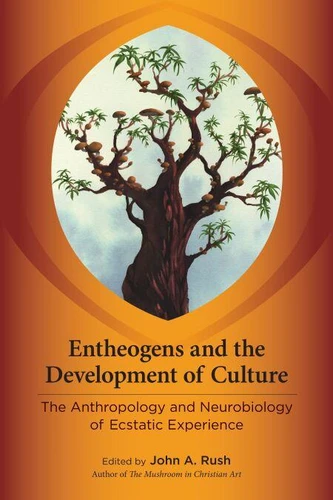
Entheogens and the Development of Culture. The Anthropology and Neurobiology of Ecstatic Experience
Par :Formats :
Disponible dans votre compte client Decitre ou Furet du Nord dès validation de votre commande. Le format ePub protégé est :
- Compatible avec une lecture sur My Vivlio (smartphone, tablette, ordinateur)
- Compatible avec une lecture sur liseuses Vivlio
- Pour les liseuses autres que Vivlio, vous devez utiliser le logiciel Adobe Digital Edition. Non compatible avec la lecture sur les liseuses Kindle, Remarkable et Sony
- Non compatible avec un achat hors France métropolitaine
 , qui est-ce ?
Notre partenaire de plateforme de lecture numérique où vous retrouverez l'ensemble de vos ebooks gratuitement
Pour en savoir plus sur nos ebooks, consultez notre aide en ligne ici
C'est si simple ! Lisez votre ebook avec l'app Vivlio sur votre tablette, mobile ou ordinateur :

- Nombre de pages672
- FormatePub
- ISBN978-1-58394-624-4
- EAN9781583946244
- Date de parution30/07/2013
- Protection num.Adobe DRM
- Taille3 Mo
- Infos supplémentairesepub
- ÉditeurNorth Atlantic Books
Résumé
Entheogens and the Development of Culture makes the radical proposition that mind-altering substances have played a major part not only in cultural development but also in human brain development. Researchers suggest that we have purposely enhanced receptor sites in the brain, especially those for dopamine and serotonin, through the use of plants and fungi over a long period of time. The trade-off for lowered functioning and potential drug abuse has been more creative thinking--or a leap in consciousness.
Experiments in entheogen use led to the development of primitive medicine, in which certain mind-altering plants and fungi were imbibed to still fatigue, pain, or depression, while others were taken to promote hunger and libido. Our ancestors selected for our neural hardware, and our propensity for seeking altered forms of consciousness as a survival strategy may be intimately bound to our decision-making processes going back to the dawn of time.
Fourteen essays by a wide range of contributors-including founding president of the American Anthropological Association's Anthropology of Religion section Michael Winkelman, PhD; Carl A. P. Ruck, PhD, Boston University professor of classics and an authority on the ecstatic rituals of the god Dionysus; and world-renowned botanist Dr. Gaston Guzma, member of the Colombian National Academy of Sciences and expert on hallucinogenic mushrooms-demonstrate that altering consciousness continues to be an important part of human experience today.
Anthropologists, cultural historians, and anyone interested in the effects of mind-altering substances on the human mind and soul will find this book deeply informative and inspiring.
Experiments in entheogen use led to the development of primitive medicine, in which certain mind-altering plants and fungi were imbibed to still fatigue, pain, or depression, while others were taken to promote hunger and libido. Our ancestors selected for our neural hardware, and our propensity for seeking altered forms of consciousness as a survival strategy may be intimately bound to our decision-making processes going back to the dawn of time.
Fourteen essays by a wide range of contributors-including founding president of the American Anthropological Association's Anthropology of Religion section Michael Winkelman, PhD; Carl A. P. Ruck, PhD, Boston University professor of classics and an authority on the ecstatic rituals of the god Dionysus; and world-renowned botanist Dr. Gaston Guzma, member of the Colombian National Academy of Sciences and expert on hallucinogenic mushrooms-demonstrate that altering consciousness continues to be an important part of human experience today.
Anthropologists, cultural historians, and anyone interested in the effects of mind-altering substances on the human mind and soul will find this book deeply informative and inspiring.
A propos de John Rush
28,40 €