Ending the cold war
Par :Formats :
Disponible dans votre compte client Decitre ou Furet du Nord dès validation de votre commande. Le format ePub protégé est :
- Compatible avec une lecture sur My Vivlio (smartphone, tablette, ordinateur)
- Compatible avec une lecture sur liseuses Vivlio
- Pour les liseuses autres que Vivlio, vous devez utiliser le logiciel Adobe Digital Edition. Non compatible avec la lecture sur les liseuses Kindle, Remarkable et Sony
- Non compatible avec un achat hors France métropolitaine
 , qui est-ce ?
Notre partenaire de plateforme de lecture numérique où vous retrouverez l'ensemble de vos ebooks gratuitement
Pour en savoir plus sur nos ebooks, consultez notre aide en ligne ici
C'est si simple ! Lisez votre ebook avec l'app Vivlio sur votre tablette, mobile ou ordinateur :

- Nombre de pages528
- FormatePub
- ISBN978-1-5387-6466-4
- EAN9781538764664
- Date de parution09/09/2019
- Protection num.Adobe DRM
- Infos supplémentairesepub
- ÉditeurTwelve
Résumé
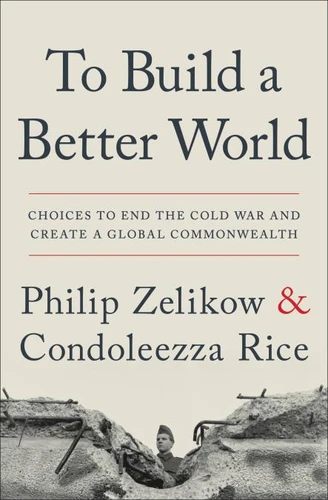
A deeply researched international history and "exemplary study" (New York Times Book Review) of how a divided world ended and our present world was fashioned, as the world drifts toward another great time of choosing. Two of America's leading scholar-diplomats, Philip Zelikow and Condoleezza Rice, have combed sources in several languages, interviewed leading figures, and drawn on their own firsthand experience to bring to life the choices that molded the contemporary world.
Zeroing in on the key moments of decision, the might-have-beens, and the human beings working through them, they explore both what happened and what could have happened, to show how one world ended and another took form. Beginning in the late 1970s and carrying into the present, they focus on the momentous period between 1988 and 1992, when an entire world system changed, states broke apart, and societies were transformed.
Such periods have always been accompanied by terrible wars -- but not this time. This is also a story of individuals coping with uncertainty. They voice their hopes and fears. They try out desperate improvisations and careful designs. These were leaders who grew up in a "postwar" world, who tried to fashion something better, more peaceful, more prosperous, than the damaged, divided world in which they had come of age.
New problems are putting their choices, and the world they made, back on the operating table. It is time to recall not only why they made their choices, but also just how great nations can step up to great challenges. Timed for the thirtieth anniversary of the fall of the Berlin Wall, To Build a Better World is an authoritative depiction of contemporary statecraft. It lets readers in on the strategies and negotiations, nerve-racking risks, last-minute decisions, and deep deliberations behind the dramas that changed the face of Europe -- and the world -- forever.
Zeroing in on the key moments of decision, the might-have-beens, and the human beings working through them, they explore both what happened and what could have happened, to show how one world ended and another took form. Beginning in the late 1970s and carrying into the present, they focus on the momentous period between 1988 and 1992, when an entire world system changed, states broke apart, and societies were transformed.
Such periods have always been accompanied by terrible wars -- but not this time. This is also a story of individuals coping with uncertainty. They voice their hopes and fears. They try out desperate improvisations and careful designs. These were leaders who grew up in a "postwar" world, who tried to fashion something better, more peaceful, more prosperous, than the damaged, divided world in which they had come of age.
New problems are putting their choices, and the world they made, back on the operating table. It is time to recall not only why they made their choices, but also just how great nations can step up to great challenges. Timed for the thirtieth anniversary of the fall of the Berlin Wall, To Build a Better World is an authoritative depiction of contemporary statecraft. It lets readers in on the strategies and negotiations, nerve-racking risks, last-minute decisions, and deep deliberations behind the dramas that changed the face of Europe -- and the world -- forever.