
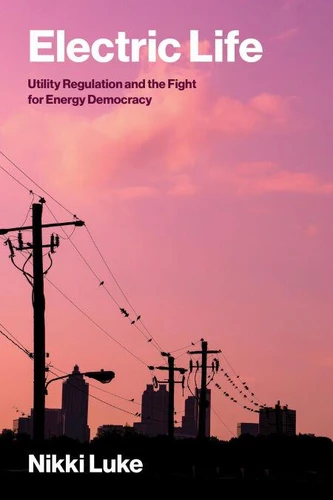
Electric Life. Utility Regulation and the Fight for Energy Democracy
Par :Formats :
Disponible dans votre compte client Decitre ou Furet du Nord dès validation de votre commande. Le format ePub protégé est :
- Compatible avec une lecture sur My Vivlio (smartphone, tablette, ordinateur)
- Compatible avec une lecture sur liseuses Vivlio
- Pour les liseuses autres que Vivlio, vous devez utiliser le logiciel Adobe Digital Edition. Non compatible avec la lecture sur les liseuses Kindle, Remarkable et Sony
- Non compatible avec un achat hors France métropolitaine
 , qui est-ce ?
Notre partenaire de plateforme de lecture numérique où vous retrouverez l'ensemble de vos ebooks gratuitement
Pour en savoir plus sur nos ebooks, consultez notre aide en ligne ici
C'est si simple ! Lisez votre ebook avec l'app Vivlio sur votre tablette, mobile ou ordinateur :

- Nombre de pages272
- FormatePub
- ISBN978-0-262-05199-6
- EAN9780262051996
- Date de parution17/03/2026
- Protection num.Adobe DRM
- Taille19 Mo
- Infos supplémentairesepub
- ÉditeurThe MIT Press
Résumé
How workers and customers engage utility regulation to act on climate change, energy affordability, and environmental, racial, and economic injustice. Electric Life traces the intertwined history of Atlanta's racialized uneven development and growing electricity use to show how electricity infrastructure shapes everyday life. Nikki Luke looks at how quotidian relationships with the electric utility catalyze intersectional organizing for energy democracy.
She also investigates the legal and material construction of the investor-owned utility as a regulated monopoly and the state public service commission that regulates it. Contemporary organizing for energy democracy questions how the utility and the systems that govern it need to change to ensure energy affordability, provide remedy and reparation for enduring environmental and energy injustice, and build a just and equitable energy transition from fossil fuels.
Bridging urban, environmental, and labor studies, the author demonstrates how these demands to change the utility emerge from the tradition of civil rights, labor, and environmental organizing for fair treatment from the utility, affordable energy, protection from pollution, and good jobs.
She also investigates the legal and material construction of the investor-owned utility as a regulated monopoly and the state public service commission that regulates it. Contemporary organizing for energy democracy questions how the utility and the systems that govern it need to change to ensure energy affordability, provide remedy and reparation for enduring environmental and energy injustice, and build a just and equitable energy transition from fossil fuels.
Bridging urban, environmental, and labor studies, the author demonstrates how these demands to change the utility emerge from the tradition of civil rights, labor, and environmental organizing for fair treatment from the utility, affordable energy, protection from pollution, and good jobs.