SOLDES
Jusqu'à -70% sur une sélection d'articles*

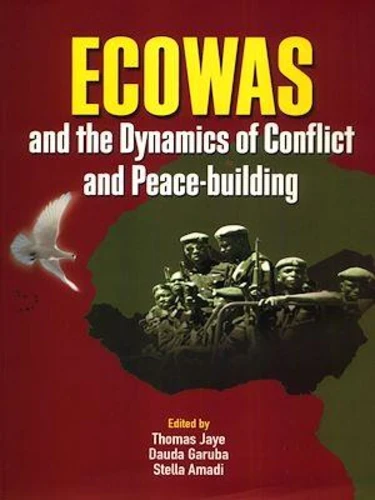
ECOWAS and the dynamics of conflict and peace-building
Par : , ,Formats :
Disponible dans votre compte client Decitre ou Furet du Nord dès validation de votre commande. Le format ePub est :
- Compatible avec une lecture sur My Vivlio (smartphone, tablette, ordinateur)
- Compatible avec une lecture sur liseuses Vivlio
- Pour les liseuses autres que Vivlio, vous devez utiliser le logiciel Adobe Digital Edition. Non compatible avec la lecture sur les liseuses Kindle, Remarkable et Sony
 , qui est-ce ?
Notre partenaire de plateforme de lecture numérique où vous retrouverez l'ensemble de vos ebooks gratuitement
Pour en savoir plus sur nos ebooks, consultez notre aide en ligne ici
C'est si simple ! Lisez votre ebook avec l'app Vivlio sur votre tablette, mobile ou ordinateur :

- Nombre de pages287
- FormatePub
- ISBN978-2-38234-013-4
- EAN9782382340134
- Date de parution01/12/2020
- Protection num.Digital Watermarking
- Taille922 Ko
- Infos supplémentairesepub
- ÉditeurCoédition NENA/CODESRIA
Résumé
ECOWAS and the Dynamics of Conflict and Peace-building testifies to the fact that we cannot talk of West African affairs, more so of conflict and peace-building, without talking about ECOWAS. For over two decades now, West Africa has remained one of Africa's most conflict-ridden regions. It has been a theatre of some of the most atrocious brutalities in the modern world. It has, nonetheless, witnessed one of the most ambitious internal efforts towards finding regional solutions to conflicts through ECOWAS.
The lead role of ECOMOG - the ECOWAS peacekeeping force - in search of peaceful solutions to civil wars in Liberia, Sierra Leone, Guinea Bissau and Cote d'Ivoire has yielded a mix of successes and failures. In this book, the authors take a candid look at the role that ECOWAS has played and show how the sub-regional organisation has stabilised and created new conditions conducive to nation building in a number of cases.
Conversely, the book shows that ECOWAS has aggravated, if not created, new tensions in yet other cases. The comparative advantage that ECOWAS has derived from these experiences is reflected in the various mechanisms, protocols and conventions that are now in place to ensure a more comprehensive conflict prevention framework.
The lead role of ECOMOG - the ECOWAS peacekeeping force - in search of peaceful solutions to civil wars in Liberia, Sierra Leone, Guinea Bissau and Cote d'Ivoire has yielded a mix of successes and failures. In this book, the authors take a candid look at the role that ECOWAS has played and show how the sub-regional organisation has stabilised and created new conditions conducive to nation building in a number of cases.
Conversely, the book shows that ECOWAS has aggravated, if not created, new tensions in yet other cases. The comparative advantage that ECOWAS has derived from these experiences is reflected in the various mechanisms, protocols and conventions that are now in place to ensure a more comprehensive conflict prevention framework.