SOLDES
Jusqu'à -70% sur une sélection d'articles*

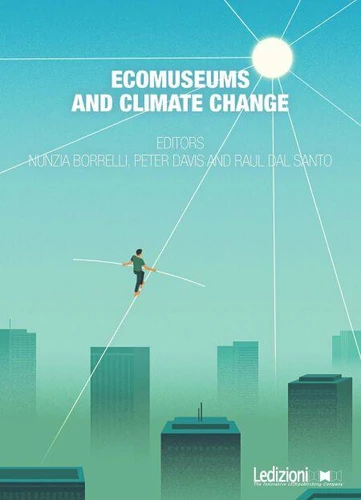
Ecomuseums and Climate Change
Par : , ,Formats :
Disponible dans votre compte client Decitre ou Furet du Nord dès validation de votre commande. Le format ePub est :
- Compatible avec une lecture sur My Vivlio (smartphone, tablette, ordinateur)
- Compatible avec une lecture sur liseuses Vivlio
- Pour les liseuses autres que Vivlio, vous devez utiliser le logiciel Adobe Digital Edition. Non compatible avec la lecture sur les liseuses Kindle, Remarkable et Sony
 , qui est-ce ?
Notre partenaire de plateforme de lecture numérique où vous retrouverez l'ensemble de vos ebooks gratuitement
Pour en savoir plus sur nos ebooks, consultez notre aide en ligne ici
C'est si simple ! Lisez votre ebook avec l'app Vivlio sur votre tablette, mobile ou ordinateur :

- Nombre de pages383
- FormatePub
- ISBN978-88-5526-839-4
- EAN9788855268394
- Date de parution15/06/2023
- Protection num.Digital Watermarking
- Taille15 Mo
- Infos supplémentairesepub
- ÉditeurLedizioni
Résumé
Climate change is a reality, and communities around the world are now facing significant environmental problems - rising global temperatures leading to increased risk of flooding, fire, and sea level rise, resulting in the destruction of property and social infrastructure, loss of biodiversity and tangible and intangible cultural heritage, and damage to economies. Little wonder then that the online conference held on 30 September 2021 with the title "Ecomuseums and Climate Action" attracted more than one hundred participants from countries whose communities are facing these problems.
This book presents the results of this conference where heritage experts, community activists, curators, politicians and academics from several countries, explored how ecomuseums and community museums are acting as catalysts for transition, renewal, and sustainable development and how they might effectively contribute to the UN's Sustainable Development Goals and climate action.
How can these organisations best contribute to the debate about the climate crisis and promote local action? Central to those actions are encouraging local people to recognise how important their cultural, natural and intangible cultural heritage is in making places special and giving a sense of belonging, why that heritage should be sustained, and how heritage assets can be used to promote climate action.
This book - with its remarkable collection of essays from around the world - demonstrates how small local actions, considered together, can have a dramatic and far-reaching impact. It will be warmly welcomed by anyone interested in climate action, heritage and museum studies, and environmental issues.
How can these organisations best contribute to the debate about the climate crisis and promote local action? Central to those actions are encouraging local people to recognise how important their cultural, natural and intangible cultural heritage is in making places special and giving a sense of belonging, why that heritage should be sustained, and how heritage assets can be used to promote climate action.
This book - with its remarkable collection of essays from around the world - demonstrates how small local actions, considered together, can have a dramatic and far-reaching impact. It will be warmly welcomed by anyone interested in climate action, heritage and museum studies, and environmental issues.