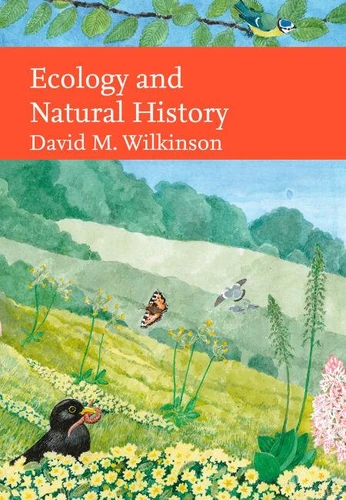
Ecology is the science of ecosystems, of habitats, of our world and its future. In the latest New Naturalist, ecologist David M. Wilkinson explains key ideas of this crucial branch of science, using Britain's ecosystems to illustrate each point.
The science of ecology underlies most of the key issues facing humanity, from the loss of biodiversity to sustainable agriculture, to the effects of climate change and the spread of pandemics.
In this accessible and timely addition to the New Naturalist series, ecologist David M. Wilkinson introduces some of the key ideas of this science, using examples from British natural history. Extensively illustrated with photographs of the species and habitats that can be seen in the British countryside, this book shows how the observations of field naturalists link into our wider understanding of the working of the natural world.
Investigating ecosystems across the British Isles, from the Scottish and Welsh mountains to the woodlands of southern England and the fens of East Anglia, Wilkinson describes the relationships between organisms and their environments.
Factors such as climate and chemistry influence populations of every kind of organism, and the interactions between these organisms determine the makeup of ecological communities. Using examples from the full range of organisms on Earth - from bacteria to badgers - Wilkinson introduces the crucial ecological processes that support life, addressing how theseideas can be applied to understand our effect on the environment not just of Britain, but of the whole planet.
Ecology is the science of ecosystems, of habitats, of our world and its future. In the latest New Naturalist, ecologist David M. Wilkinson explains key ideas of this crucial branch of science, using Britain's ecosystems to illustrate each point.
The science of ecology underlies most of the key issues facing humanity, from the loss of biodiversity to sustainable agriculture, to the effects of climate change and the spread of pandemics.
In this accessible and timely addition to the New Naturalist series, ecologist David M. Wilkinson introduces some of the key ideas of this science, using examples from British natural history. Extensively illustrated with photographs of the species and habitats that can be seen in the British countryside, this book shows how the observations of field naturalists link into our wider understanding of the working of the natural world.
Investigating ecosystems across the British Isles, from the Scottish and Welsh mountains to the woodlands of southern England and the fens of East Anglia, Wilkinson describes the relationships between organisms and their environments.
Factors such as climate and chemistry influence populations of every kind of organism, and the interactions between these organisms determine the makeup of ecological communities. Using examples from the full range of organisms on Earth - from bacteria to badgers - Wilkinson introduces the crucial ecological processes that support life, addressing how theseideas can be applied to understand our effect on the environment not just of Britain, but of the whole planet.

 , qui est-ce ?
