SOLDES
Jusqu'à -70% sur une sélection d'articles*

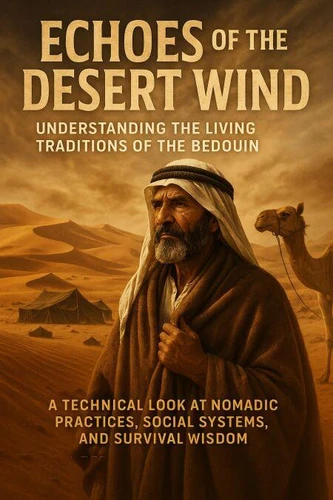
Echoes of the Desert Wind: Understanding the Living Traditions of the Bedouin. A Technical Look at Nomadic Practices, Social Systems, and Survival Wisdom
Par :Formats :
Disponible dans votre compte client Decitre ou Furet du Nord dès validation de votre commande. Le format ePub est :
- Compatible avec une lecture sur My Vivlio (smartphone, tablette, ordinateur)
- Compatible avec une lecture sur liseuses Vivlio
- Pour les liseuses autres que Vivlio, vous devez utiliser le logiciel Adobe Digital Edition. Non compatible avec la lecture sur les liseuses Kindle, Remarkable et Sony
 , qui est-ce ?
Notre partenaire de plateforme de lecture numérique où vous retrouverez l'ensemble de vos ebooks gratuitement
Pour en savoir plus sur nos ebooks, consultez notre aide en ligne ici
C'est si simple ! Lisez votre ebook avec l'app Vivlio sur votre tablette, mobile ou ordinateur :

- Nombre de pages197
- FormatePub
- ISBN978-3-565-10824-4
- EAN9783565108244
- Date de parution27/11/2025
- Protection num.pas de protection
- Taille792 Ko
- Infos supplémentairesepub
- ÉditeurEmphaloz Publishing House
Résumé
For centuries, the Bedouin have navigated some of the harshest landscapes on Earth with remarkable adaptability, social harmony, and cultural resilience. Echoes of the Desert Wind offers teachers a structured, technical exploration of Bedouin traditions-unpacking the systems, customs, and environmental knowledge that sustained nomadic life across Arabia, the Levant, and North Africa.
This detailed account examines the logistical realities of desert navigation, camel husbandry, water sourcing, tent construction, clan leadership structures, and the poetic oral traditions that preserved history across generations.
Each chapter breaks complex systems down into teachable components, helping students understand how environmental demands shaped Bedouin technology, social organization, and moral codes. The book also analyzes hospitality practices, trade routes, conflict mediation, marriage customs, and the interplay between tribal identity and regional politics. Drawing upon ethnographic studies, historical documents, and contemporary field research, it offers a precise and classroom-ready framework for explaining how nomadic groups adapted with ingenuity and discipline. For educators seeking a technically grounded portrayal of Bedouin life, this guide provides clarity, cultural depth, and practical insights into a civilization shaped by the desert's uncompromising rhythms.
Each chapter breaks complex systems down into teachable components, helping students understand how environmental demands shaped Bedouin technology, social organization, and moral codes. The book also analyzes hospitality practices, trade routes, conflict mediation, marriage customs, and the interplay between tribal identity and regional politics. Drawing upon ethnographic studies, historical documents, and contemporary field research, it offers a precise and classroom-ready framework for explaining how nomadic groups adapted with ingenuity and discipline. For educators seeking a technically grounded portrayal of Bedouin life, this guide provides clarity, cultural depth, and practical insights into a civilization shaped by the desert's uncompromising rhythms.