SOLDES
Jusqu'à -70% sur une sélection d'articles*

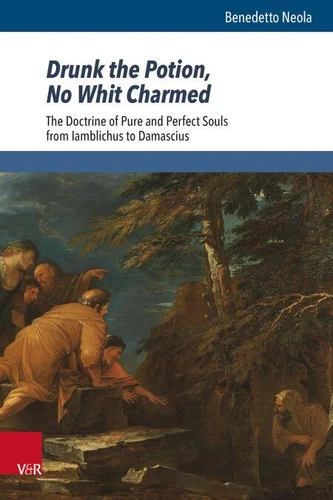
Drunk the Potion, No Whit Charmed. The Doctrine of Pure and Perfect Souls from Iamblichus to Damascius
Par :Formats :
Disponible dans votre compte client Decitre ou Furet du Nord dès validation de votre commande. Le format PDF est :
- Compatible avec une lecture sur My Vivlio (smartphone, tablette, ordinateur)
- Compatible avec une lecture sur liseuses Vivlio
- Pour les liseuses autres que Vivlio, vous devez utiliser le logiciel Adobe Digital Edition. Non compatible avec la lecture sur les liseuses Kindle, Remarkable et Sony
 , qui est-ce ?
Notre partenaire de plateforme de lecture numérique où vous retrouverez l'ensemble de vos ebooks gratuitement
Pour en savoir plus sur nos ebooks, consultez notre aide en ligne ici
C'est si simple ! Lisez votre ebook avec l'app Vivlio sur votre tablette, mobile ou ordinateur :

- Nombre de pages528
- FormatPDF
- ISBN978-3-647-50241-0
- EAN9783647502410
- Date de parution19/01/2026
- Protection num.pas de protection
- Taille10 Mo
- Infos supplémentairespdf
- ÉditeurVandenhoeck & Ruprecht
Résumé
Benedetto Neola explores how late antique Neoplatonists, from Iamblichus in the third-fourth century to Damascius in the fifth-sixth, reimagined what it meant to be a true philosopher. For them, the philosopher was not simply a thinker or tireless talker, but a divine soul sent by the gods to rescue humanity from the material world. Figures like Pythagoras, Socrates, and Plato are portrayed as untouched by the charms of the sensible realm.
Always connected to the divine, they are ritual practitioners whose sacred mission is carried out not through temple rites, but through speech itself - understood as the highest offering to the gods. These divinely inspired words, spoken in a state of possession and revealing truths about the divine, are the noblest form of ritual: an act that unites the philosopher with the gods and brings salvation to others.
Combining philosophy, theology, and ritual, the author uncovers a forgotten dimension of ancient thought in which words save souls.
Always connected to the divine, they are ritual practitioners whose sacred mission is carried out not through temple rites, but through speech itself - understood as the highest offering to the gods. These divinely inspired words, spoken in a state of possession and revealing truths about the divine, are the noblest form of ritual: an act that unites the philosopher with the gods and brings salvation to others.
Combining philosophy, theology, and ritual, the author uncovers a forgotten dimension of ancient thought in which words save souls.