
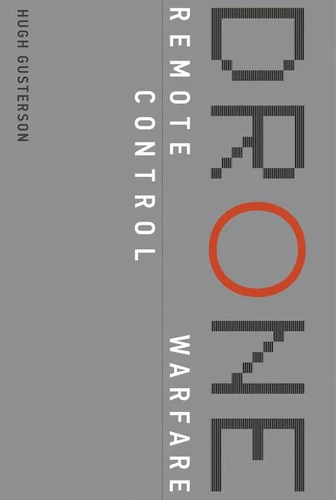
Drone. Remote Control Warfare
Par :Formats :
Disponible dans votre compte client Decitre ou Furet du Nord dès validation de votre commande. Le format ePub protégé est :
- Compatible avec une lecture sur My Vivlio (smartphone, tablette, ordinateur)
- Compatible avec une lecture sur liseuses Vivlio
- Pour les liseuses autres que Vivlio, vous devez utiliser le logiciel Adobe Digital Edition. Non compatible avec la lecture sur les liseuses Kindle, Remarkable et Sony
- Non compatible avec un achat hors France métropolitaine
 , qui est-ce ?
Notre partenaire de plateforme de lecture numérique où vous retrouverez l'ensemble de vos ebooks gratuitement
Pour en savoir plus sur nos ebooks, consultez notre aide en ligne ici
C'est si simple ! Lisez votre ebook avec l'app Vivlio sur votre tablette, mobile ou ordinateur :

- Nombre de pages216
- FormatePub
- ISBN978-0-262-33437-2
- EAN9780262334372
- Date de parution13/05/2016
- Protection num.Adobe DRM
- Taille1 Mo
- Infos supplémentairesepub
- ÉditeurThe MIT Press
Résumé
Drone warfare described from the perspectives of drone operators, victims of drone attacks, anti-drone activists, international law, military thinkers, and others."[A] thoughtful examination of the dilemmas this new weapon poses."-Foreign AffairsDrones are changing the conduct of war. Deployed at presidential discretion, they can be used in regular war zones or to kill people in such countries as Yemen and Somalia, where the United States is not officially at war.
Advocates say that drones are more precise than conventional bombers, allowing warfare with minimal civilian deaths while keeping American pilots out of harm's way. Critics say that drones are cowardly and that they often kill innocent civilians while terrorizing entire villages on the ground. In this book, Hugh Gusterson explores the significance of drone warfare from multiple perspectives, drawing on accounts by drone operators, victims of drone attacks, anti-drone activists, human rights activists, international lawyers, journalists, military thinkers, and academic experts.
Gusterson examines the way drone warfare has created commuter warriors and redefined the space of the battlefield. He looks at the paradoxical mix of closeness and distance involved in remote killing: is it easier than killing someone on the physical battlefield if you have to watch onscreen? He suggests a new way of understanding the debate over civilian casualties of drone attacks. He maps "ethical slippage" over time in the Obama administration's targeting practices.
And he contrasts Obama administration officials' legal justification of drone attacks with arguments by international lawyers and NGOs.
Advocates say that drones are more precise than conventional bombers, allowing warfare with minimal civilian deaths while keeping American pilots out of harm's way. Critics say that drones are cowardly and that they often kill innocent civilians while terrorizing entire villages on the ground. In this book, Hugh Gusterson explores the significance of drone warfare from multiple perspectives, drawing on accounts by drone operators, victims of drone attacks, anti-drone activists, human rights activists, international lawyers, journalists, military thinkers, and academic experts.
Gusterson examines the way drone warfare has created commuter warriors and redefined the space of the battlefield. He looks at the paradoxical mix of closeness and distance involved in remote killing: is it easier than killing someone on the physical battlefield if you have to watch onscreen? He suggests a new way of understanding the debate over civilian casualties of drone attacks. He maps "ethical slippage" over time in the Obama administration's targeting practices.
And he contrasts Obama administration officials' legal justification of drone attacks with arguments by international lawyers and NGOs.