SOLDES
Jusqu'à -70% sur une sélection d'articles*

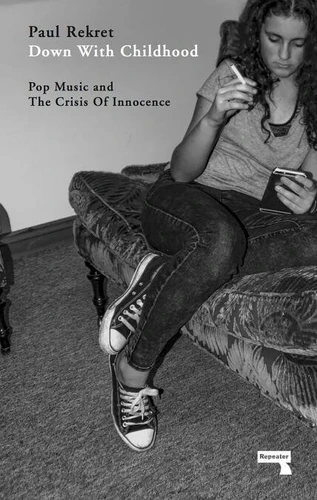
Down with Childhood. Pop Music and the Crisis of Innocence
Par :Formats :
Disponible dans votre compte client Decitre ou Furet du Nord dès validation de votre commande. Le format ePub protégé est :
- Compatible avec une lecture sur My Vivlio (smartphone, tablette, ordinateur)
- Compatible avec une lecture sur liseuses Vivlio
- Pour les liseuses autres que Vivlio, vous devez utiliser le logiciel Adobe Digital Edition. Non compatible avec la lecture sur les liseuses Kindle, Remarkable et Sony
- Non compatible avec un achat hors France métropolitaine
 , qui est-ce ?
Notre partenaire de plateforme de lecture numérique où vous retrouverez l'ensemble de vos ebooks gratuitement
Pour en savoir plus sur nos ebooks, consultez notre aide en ligne ici
C'est si simple ! Lisez votre ebook avec l'app Vivlio sur votre tablette, mobile ou ordinateur :

- Nombre de pages120
- FormatePub
- ISBN978-1-910924-50-1
- EAN9781910924501
- Date de parution19/09/2017
- Protection num.Adobe DRM
- Taille338 Ko
- Infos supplémentairesepub
- ÉditeurRepeater
Résumé
Sometimes popular music registers our concerns and anxieties more lucidly than we realise. This is evident in the case of an ideal of childhood innocence in rapid decay in recent decades. So claims Down with Childhood, as it takes in psychedelia's preoccupation with rebirth and inner-children, the fascination with juvenilia amidst an ebbing UK rave scene and dozens of nursery rhyme hip-hop choruses spawned by a hit Jay-Z tune.
As it examines the often complex sets of meanings to which the occasional presence of children in pop songs attests, the book pauses at Musical Youth's 'Pass the Dutchie' and other one-hit teen wonders, the career paths of child stars including Michael Jackson and Britney Spears, radical experiments in free jazz, and Black Panther influenced children's soul groups. In the process, a novel argument begins to emerge relating the often remarked crisis of childhood to changing experiences of work and play and ultimately, to an ongoing capitalist crisis that underlies them.
As it examines the often complex sets of meanings to which the occasional presence of children in pop songs attests, the book pauses at Musical Youth's 'Pass the Dutchie' and other one-hit teen wonders, the career paths of child stars including Michael Jackson and Britney Spears, radical experiments in free jazz, and Black Panther influenced children's soul groups. In the process, a novel argument begins to emerge relating the often remarked crisis of childhood to changing experiences of work and play and ultimately, to an ongoing capitalist crisis that underlies them.