
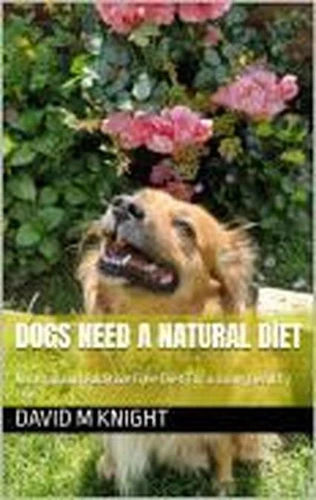
Dogs Need a Natural Diet
Par :Formats :
Disponible dans votre compte client Decitre ou Furet du Nord dès validation de votre commande. Le format ePub est :
- Compatible avec une lecture sur My Vivlio (smartphone, tablette, ordinateur)
- Compatible avec une lecture sur liseuses Vivlio
- Pour les liseuses autres que Vivlio, vous devez utiliser le logiciel Adobe Digital Edition. Non compatible avec la lecture sur les liseuses Kindle, Remarkable et Sony
 , qui est-ce ?
Notre partenaire de plateforme de lecture numérique où vous retrouverez l'ensemble de vos ebooks gratuitement
Pour en savoir plus sur nos ebooks, consultez notre aide en ligne ici
C'est si simple ! Lisez votre ebook avec l'app Vivlio sur votre tablette, mobile ou ordinateur :

- FormatePub
- ISBN8230981145
- EAN9798230981145
- Date de parution19/02/2025
- Protection num.pas de protection
- Infos supplémentairesepub
- ÉditeurIndependently Published
Résumé
To truly appreciate what constitutes a natural diet for dogs, one must first delve into the essence of what 'natural' signifies in the context of canine nutrition. The term 'natural' often evokes images of wild canines, such as wolves, hunting and foraging for their nourishment. This imagery provides a foundational understanding of the dietary needs of domesticated dogs, which are descendants of these wild ancestors.
Dogs, inherently carnivorous, have evolved over millennia to thrive on a diet primarily composed of meat, complemented by a variety of other natural foods they might encounter in the wild. The physiological makeup of dogs reflects their evolutionary history. Their sharp teeth, strong jaws, and digestive systems are specifically adapted to process animal proteins and fats efficiently. Unlike humans, dogs have a relatively short digestive tract, which is designed to swiftly process meat and absorb its nutrients.
This biological design underscores the importance of incorporating raw or minimally processed animal proteins into their diet, ensuring they receive the essential amino acids and nutrients that are vital for their health.
Dogs, inherently carnivorous, have evolved over millennia to thrive on a diet primarily composed of meat, complemented by a variety of other natural foods they might encounter in the wild. The physiological makeup of dogs reflects their evolutionary history. Their sharp teeth, strong jaws, and digestive systems are specifically adapted to process animal proteins and fats efficiently. Unlike humans, dogs have a relatively short digestive tract, which is designed to swiftly process meat and absorb its nutrients.
This biological design underscores the importance of incorporating raw or minimally processed animal proteins into their diet, ensuring they receive the essential amino acids and nutrients that are vital for their health.