SOLDES
Jusqu'à -70% sur une sélection d'articles*

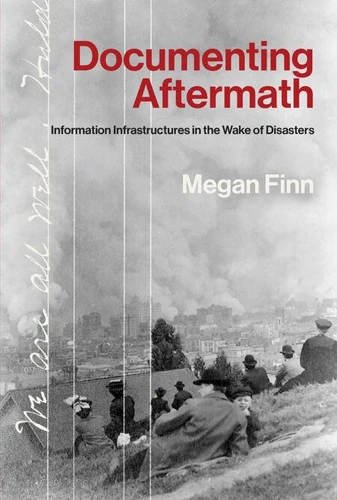
Documenting Aftermath. Information Infrastructures in the Wake of Disasters
Par :Formats :
Disponible dans votre compte client Decitre ou Furet du Nord dès validation de votre commande. Le format ePub protégé est :
- Compatible avec une lecture sur My Vivlio (smartphone, tablette, ordinateur)
- Compatible avec une lecture sur liseuses Vivlio
- Pour les liseuses autres que Vivlio, vous devez utiliser le logiciel Adobe Digital Edition. Non compatible avec la lecture sur les liseuses Kindle, Remarkable et Sony
- Non compatible avec un achat hors France métropolitaine
 , qui est-ce ?
Notre partenaire de plateforme de lecture numérique où vous retrouverez l'ensemble de vos ebooks gratuitement
Pour en savoir plus sur nos ebooks, consultez notre aide en ligne ici
C'est si simple ! Lisez votre ebook avec l'app Vivlio sur votre tablette, mobile ou ordinateur :

- Nombre de pages280
- FormatePub
- ISBN978-0-262-34745-7
- EAN9780262347457
- Date de parution30/10/2018
- Protection num.Adobe DRM
- Taille3 Mo
- Infos supplémentairesepub
- ÉditeurThe MIT Press
Résumé
An examination of how changing public information infrastructures shaped people's experience of earthquakes in Northern California in 1868, 1906, and 1989. When an earthquake happens in California today, residents may look to the United States Geological Survey for online maps that show the quake's epicenter, turn to Twitter for government bulletins and the latest news, check Facebook for updates from friends and family, and count on help from the Federal Emergency Management Agency (FEMA).
One hundred and fifty years ago, however, FEMA and other government agencies did not exist, and information came by telegraph and newspaper. In Documenting Aftermath, Megan Finn explores changing public information infrastructures and how they shaped people's experience of disaster, examining postearthquake information and communication practices in three Northern California earthquakes: the 1868 Hayward Fault earthquake, the 1906 San Francisco earthquake and fire, and the 1989 Loma Prieta earthquake.
She then analyzes the institutions, policies, and technologies that shape today's postdisaster information landscape. Finn argues that information orders-complex constellations of institutions, technologies, and practices-influence how we act in, experience, and document events. What Finn terms event epistemologies, constituted both by historical documents and by researchers who study them, explain how information orders facilitate particular possibilities for knowledge.
After the 1868 earthquake, the Chamber of Commerce telegraphed reassurances to out-of-state investors while local newspapers ran sensational earthquake narratives; in 1906, families and institutions used innovative techniques for locating people; and in 1989, government institutions and the media developed a symbiotic relationship in information dissemination. Today, government disaster response plans and new media platforms imagine different sources of informational authority yet work together shaping disaster narratives.
One hundred and fifty years ago, however, FEMA and other government agencies did not exist, and information came by telegraph and newspaper. In Documenting Aftermath, Megan Finn explores changing public information infrastructures and how they shaped people's experience of disaster, examining postearthquake information and communication practices in three Northern California earthquakes: the 1868 Hayward Fault earthquake, the 1906 San Francisco earthquake and fire, and the 1989 Loma Prieta earthquake.
She then analyzes the institutions, policies, and technologies that shape today's postdisaster information landscape. Finn argues that information orders-complex constellations of institutions, technologies, and practices-influence how we act in, experience, and document events. What Finn terms event epistemologies, constituted both by historical documents and by researchers who study them, explain how information orders facilitate particular possibilities for knowledge.
After the 1868 earthquake, the Chamber of Commerce telegraphed reassurances to out-of-state investors while local newspapers ran sensational earthquake narratives; in 1906, families and institutions used innovative techniques for locating people; and in 1989, government institutions and the media developed a symbiotic relationship in information dissemination. Today, government disaster response plans and new media platforms imagine different sources of informational authority yet work together shaping disaster narratives.