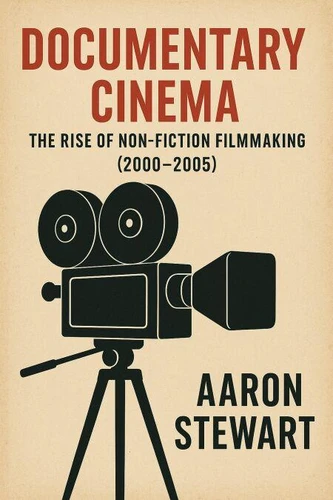
Documentary Cinema: The Rise of Non-Fiction Filmmaking (2000-2005) by Aaron Stewart explores the transformative period in documentary filmmaking between 2000 and 2005, a time when the genre experienced unprecedented growth, innovation, and cultural relevance. This book delves into how technological advancements, particularly the rise of digital tools, and the advent of global platforms like YouTube, helped democratize the production and distribution of documentary films.
It examines how filmmakers utilized these new tools to tackle pressing social, political, and environmental issues, from the War on Terror to climate change and corporate exploitation. By focusing on landmark films like Fahrenheit 9/11, The Corporation, An Inconvenient Truth, and Super Size Me, the book analyzes how documentary filmmakers became activists, using their works to both inform and provoke action.
Through an in-depth look at the intersection of global events, cultural shifts, and the changing media landscape, this book provides a comprehensive look at how non-fiction filmmaking became a powerful force in shaping public discourse and driving social change in the early 21st century.
Documentary Cinema: The Rise of Non-Fiction Filmmaking (2000-2005) by Aaron Stewart explores the transformative period in documentary filmmaking between 2000 and 2005, a time when the genre experienced unprecedented growth, innovation, and cultural relevance. This book delves into how technological advancements, particularly the rise of digital tools, and the advent of global platforms like YouTube, helped democratize the production and distribution of documentary films.
It examines how filmmakers utilized these new tools to tackle pressing social, political, and environmental issues, from the War on Terror to climate change and corporate exploitation. By focusing on landmark films like Fahrenheit 9/11, The Corporation, An Inconvenient Truth, and Super Size Me, the book analyzes how documentary filmmakers became activists, using their works to both inform and provoke action.
Through an in-depth look at the intersection of global events, cultural shifts, and the changing media landscape, this book provides a comprehensive look at how non-fiction filmmaking became a powerful force in shaping public discourse and driving social change in the early 21st century.


 , qui est-ce ?



