SOLDES
Jusqu'à -70% sur une sélection d'articles*

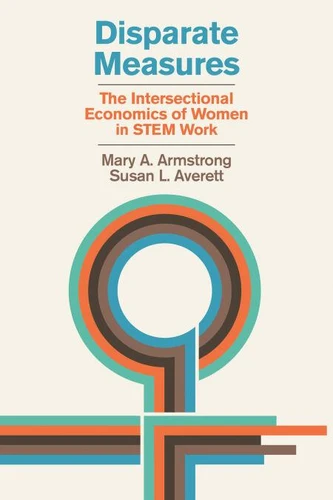
Disparate Measures. The Intersectional Economics of Women in STEM Work
Par : ,Formats :
Disponible dans votre compte client Decitre ou Furet du Nord dès validation de votre commande. Le format ePub protégé est :
- Compatible avec une lecture sur My Vivlio (smartphone, tablette, ordinateur)
- Compatible avec une lecture sur liseuses Vivlio
- Pour les liseuses autres que Vivlio, vous devez utiliser le logiciel Adobe Digital Edition. Non compatible avec la lecture sur les liseuses Kindle, Remarkable et Sony
- Non compatible avec un achat hors France métropolitaine
 , qui est-ce ?
Notre partenaire de plateforme de lecture numérique où vous retrouverez l'ensemble de vos ebooks gratuitement
Pour en savoir plus sur nos ebooks, consultez notre aide en ligne ici
C'est si simple ! Lisez votre ebook avec l'app Vivlio sur votre tablette, mobile ou ordinateur :

- Nombre de pages376
- FormatePub
- ISBN978-0-262-37795-9
- EAN9780262377959
- Date de parution09/04/2024
- Protection num.Adobe DRM
- Taille2 Mo
- Infos supplémentairesepub
- ÉditeurThe MIT Press
Résumé
An exploration of workplace participation and earnings patterns for diverse women in US STEM professions that upends the myth that STEM work benefits women economically. Seen as part economic driver, part social remedy, STEM work is commonly understood to benefit both the US economy and people-particularly women-from underrepresented groups. But what do diverse women find when they work in US STEM occupations? What do STEM jobs really deliver-and for whom? In Disparate Measures, Mary Armstrong and Susan Averett challenge the conventional wisdom that a diverse US STEM workforce will bring about economic abundance for the women who participate in it.
Combining intersectionality theory and critical data theory with a feminist economic analysis, the authors explore how different groups of diverse women truly fare in US STEM professions. Disparate Measures is centered on eight unique, in-depth case studies, each of which provides an intersectional economic analysis (a term coined by the authors) of diverse women working in STEM occupations. Four case studies prioritize women of color and examine the STEM participation and earnings of Black women, American Indian and Alaska Native women, Asian and Pacific Islander women, and Hispanic women/Latinas; four additional case studies illuminate intersections that are frequently neglected by the STEM inclusivity literature: foreign-born women, women with disabilities, Queer women, and mothers.
What the authors find in their groundbreaking, detailed analysis is that the promises of STEM are only partly true: when compared to women not working in STEM, most women are indeed economically elevated by STEM occupations-yet when compared to white men in the same STEM occupations, women's second-class status is usually reaffirmed. The authors conclude by offering seven "big-picture" recommendations for rethinking STEM equity, showing just how we can successfully confront the entrenched patterns of economic disadvantage faced by diverse women in STEM jobs.
Combining intersectionality theory and critical data theory with a feminist economic analysis, the authors explore how different groups of diverse women truly fare in US STEM professions. Disparate Measures is centered on eight unique, in-depth case studies, each of which provides an intersectional economic analysis (a term coined by the authors) of diverse women working in STEM occupations. Four case studies prioritize women of color and examine the STEM participation and earnings of Black women, American Indian and Alaska Native women, Asian and Pacific Islander women, and Hispanic women/Latinas; four additional case studies illuminate intersections that are frequently neglected by the STEM inclusivity literature: foreign-born women, women with disabilities, Queer women, and mothers.
What the authors find in their groundbreaking, detailed analysis is that the promises of STEM are only partly true: when compared to women not working in STEM, most women are indeed economically elevated by STEM occupations-yet when compared to white men in the same STEM occupations, women's second-class status is usually reaffirmed. The authors conclude by offering seven "big-picture" recommendations for rethinking STEM equity, showing just how we can successfully confront the entrenched patterns of economic disadvantage faced by diverse women in STEM jobs.