SOLDES
Jusqu'à -70% sur une sélection d'articles*

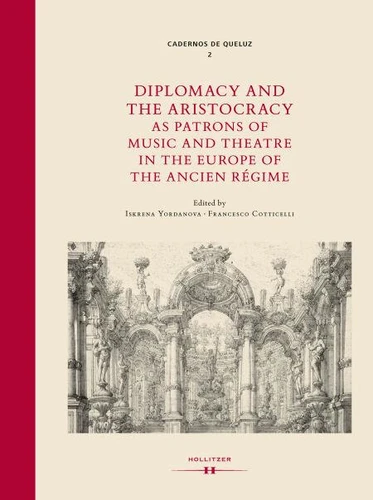
Diplomacy and the Aristocracy as Patrons of Music and Theatre in the Europe of the Ancien Régime
Par : ,Formats :
Disponible dans votre compte client Decitre ou Furet du Nord dès validation de votre commande. Le format ePub est :
- Compatible avec une lecture sur My Vivlio (smartphone, tablette, ordinateur)
- Compatible avec une lecture sur liseuses Vivlio
- Pour les liseuses autres que Vivlio, vous devez utiliser le logiciel Adobe Digital Edition. Non compatible avec la lecture sur les liseuses Kindle, Remarkable et Sony
 , qui est-ce ?
Notre partenaire de plateforme de lecture numérique où vous retrouverez l'ensemble de vos ebooks gratuitement
Pour en savoir plus sur nos ebooks, consultez notre aide en ligne ici
C'est si simple ! Lisez votre ebook avec l'app Vivlio sur votre tablette, mobile ou ordinateur :

- Nombre de pages546
- FormatePub
- ISBN978-3-99012-770-4
- EAN9783990127704
- Date de parution15/11/2019
- Protection num.Digital Watermarking
- Taille9 Mo
- Infos supplémentairesepub
- ÉditeurHollitzer Wissenschaftsverlag
Résumé
This volume explores the dense networks created by diplomatic relationships between European courts and aristocratic households in the early modern age, with the emphasis on celebratory events and the circulation of theatrical plots and practitioners promoted by political and diplomatic connections. The offices of plenipotentiary ministers were often outposts providing useful information about cultural life in foreign countries.
Sometimes the artistic strategies defined through the exchanges of couriers were destined to leave a legacy in the history of arts, especially of music and theatre. Ministers favored or promoted careers, described or made pieces of repertoire available to new audiences, and even supported practitioners in their difficult travels by planning profitable tours. They stood behind extraordinary artists and protected many stage performers with their authority, while carefully observing and transmitting precious information about the cultural and musical life of the countries where they resided.
Sometimes the artistic strategies defined through the exchanges of couriers were destined to leave a legacy in the history of arts, especially of music and theatre. Ministers favored or promoted careers, described or made pieces of repertoire available to new audiences, and even supported practitioners in their difficult travels by planning profitable tours. They stood behind extraordinary artists and protected many stage performers with their authority, while carefully observing and transmitting precious information about the cultural and musical life of the countries where they resided.