SOLDES
Jusqu'à -70% sur une sélection d'articles*

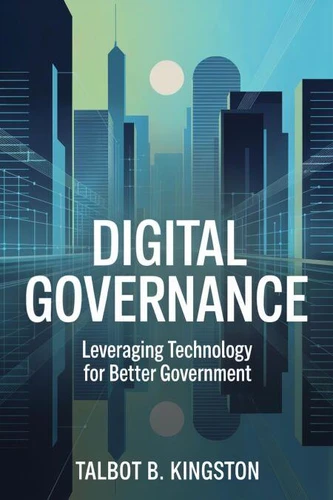
Digital Governance: Leveraging Technology for Better Government
Par :Formats :
Disponible dans votre compte client Decitre ou Furet du Nord dès validation de votre commande. Le format ePub est :
- Compatible avec une lecture sur My Vivlio (smartphone, tablette, ordinateur)
- Compatible avec une lecture sur liseuses Vivlio
- Pour les liseuses autres que Vivlio, vous devez utiliser le logiciel Adobe Digital Edition. Non compatible avec la lecture sur les liseuses Kindle, Remarkable et Sony
 , qui est-ce ?
Notre partenaire de plateforme de lecture numérique où vous retrouverez l'ensemble de vos ebooks gratuitement
Pour en savoir plus sur nos ebooks, consultez notre aide en ligne ici
C'est si simple ! Lisez votre ebook avec l'app Vivlio sur votre tablette, mobile ou ordinateur :

- FormatePub
- ISBN8230505082
- EAN9798230505082
- Date de parution22/06/2025
- Protection num.pas de protection
- Infos supplémentairesepub
- ÉditeurIndependently Published
Résumé
Digital Governance: Leveraging Technology for Better Government examines how digital innovation reshapes public administration, strengthens transparency and builds citizen trust. Through case studies and actionable frameworks, this book equips leaders and practitioners to implement efficient, responsive services that meet modern expectations. What You Will Find In This Book: Insights into designing user-centered digital platforms that address varied community needs.
Methods for applying data analytics and real-time monitoring to inform policy and evaluate outcomes. Approaches to fortify cybersecurity and safeguard sensitive data across government systems. Strategies for responsible AI integration and automation that preserve human oversight and fairness. Exploration of blockchain and distributed ledger to enhance accountability and streamline transactions. Frameworks for developing smart city and community initiatives that align innovation with equity.
Tactics to advance digital inclusion, overcome connectivity challenges and foster digital literacy. Guidance on evolving regulatory and governance models in response to emerging technologies. Techniques for enabling collaborative platforms and participatory policy-making processes. Perspectives on anticipating future trends and establishing continuous improvement cycles. This resource balances theory and practice to empower public sector professionals, policymakers and civic technologists.
Practical examples illustrate common challenges and highlight effective strategies. Guidance applies to diverse contexts, from small agencies to large administrations. Readers discover how to navigate technical complexities, engage stakeholders effectively and measure impact with data-driven approaches. By addressing organizational culture, change management and ethical considerations, it supports institutions to achieve lasting transformation.
Methods for applying data analytics and real-time monitoring to inform policy and evaluate outcomes. Approaches to fortify cybersecurity and safeguard sensitive data across government systems. Strategies for responsible AI integration and automation that preserve human oversight and fairness. Exploration of blockchain and distributed ledger to enhance accountability and streamline transactions. Frameworks for developing smart city and community initiatives that align innovation with equity.
Tactics to advance digital inclusion, overcome connectivity challenges and foster digital literacy. Guidance on evolving regulatory and governance models in response to emerging technologies. Techniques for enabling collaborative platforms and participatory policy-making processes. Perspectives on anticipating future trends and establishing continuous improvement cycles. This resource balances theory and practice to empower public sector professionals, policymakers and civic technologists.
Practical examples illustrate common challenges and highlight effective strategies. Guidance applies to diverse contexts, from small agencies to large administrations. Readers discover how to navigate technical complexities, engage stakeholders effectively and measure impact with data-driven approaches. By addressing organizational culture, change management and ethical considerations, it supports institutions to achieve lasting transformation.