
Nouveauté
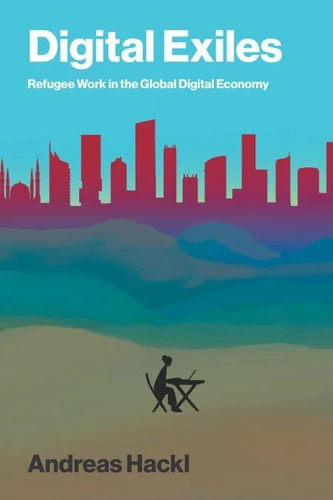
Digital Exiles. Refugee Work in the Global Digital Economy
Par :Formats :
Disponible dans votre compte client Decitre ou Furet du Nord dès validation de votre commande. Le format ePub protégé est :
- Compatible avec une lecture sur My Vivlio (smartphone, tablette, ordinateur)
- Compatible avec une lecture sur liseuses Vivlio
- Pour les liseuses autres que Vivlio, vous devez utiliser le logiciel Adobe Digital Edition. Non compatible avec la lecture sur les liseuses Kindle, Remarkable et Sony
- Non compatible avec un achat hors France métropolitaine
 , qui est-ce ?
Notre partenaire de plateforme de lecture numérique où vous retrouverez l'ensemble de vos ebooks gratuitement
Pour en savoir plus sur nos ebooks, consultez notre aide en ligne ici
C'est si simple ! Lisez votre ebook avec l'app Vivlio sur votre tablette, mobile ou ordinateur :

- Nombre de pages224
- FormatePub
- ISBN978-0-262-05246-7
- EAN9780262052467
- Date de parution23/06/2026
- Protection num.Adobe DRM
- Taille1 Mo
- Infos supplémentairesepub
- ÉditeurThe MIT Press
Résumé
A deep exploration of the opportunities and risks a global digital economy poses for refugees. Digital Exiles opens a rare window into the world of refugees trying to survive and thrive in an increasingly digitalized and technological world of work. Often excluded from local employment and struggling to make ends meet, refugees are increasingly dependent on digital jobs and online work as a financial lifeline.
Andreas Hackl offers a human-centered and global perspective to these struggles through his research into three of the most important refugee-hosting countries: Lebanon, Kenya, and Germany. The pursuit of a digital livelihood-from attending coding schools in Berlin to training datasets for AI in crisis-stricken Lebanon to online freelancing in Kenya's refugee camps-represents an increasingly important income opportunity for refugees.
Digital work programs by aid organizations and the private sector aim to help the forcibly displaced become self-reliant and successful workers, yet, for many, it creates new forms of exclusion, precarity, and risk. Combining human stories with insights from five years of multisited research and applied work with leading organizations, the author presents an alternative vision of an inclusive world of work that can help shape the fair digital economy of the future.
Andreas Hackl offers a human-centered and global perspective to these struggles through his research into three of the most important refugee-hosting countries: Lebanon, Kenya, and Germany. The pursuit of a digital livelihood-from attending coding schools in Berlin to training datasets for AI in crisis-stricken Lebanon to online freelancing in Kenya's refugee camps-represents an increasingly important income opportunity for refugees.
Digital work programs by aid organizations and the private sector aim to help the forcibly displaced become self-reliant and successful workers, yet, for many, it creates new forms of exclusion, precarity, and risk. Combining human stories with insights from five years of multisited research and applied work with leading organizations, the author presents an alternative vision of an inclusive world of work that can help shape the fair digital economy of the future.