SOLDES
Jusqu'à -70% sur une sélection d'articles*

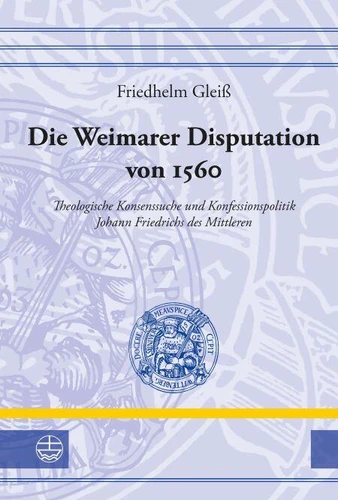
Die Weimarer Disputation von 1560. Theologische Konsenssuche und Konfessionspolitik Johann Friedrichs des Mittleren
Par :Formats :
Disponible dans votre compte client Decitre ou Furet du Nord dès validation de votre commande. Le format PDF est :
- Compatible avec une lecture sur My Vivlio (smartphone, tablette, ordinateur)
- Compatible avec une lecture sur liseuses Vivlio
- Pour les liseuses autres que Vivlio, vous devez utiliser le logiciel Adobe Digital Edition. Non compatible avec la lecture sur les liseuses Kindle, Remarkable et Sony
 , qui est-ce ?
Notre partenaire de plateforme de lecture numérique où vous retrouverez l'ensemble de vos ebooks gratuitement
Pour en savoir plus sur nos ebooks, consultez notre aide en ligne ici
C'est si simple ! Lisez votre ebook avec l'app Vivlio sur votre tablette, mobile ou ordinateur :

- Nombre de pages348
- FormatPDF
- ISBN978-3-374-05434-3
- EAN9783374054343
- Date de parution01/09/2018
- Protection num.Digital Watermarking
- Taille3 Mo
- Infos supplémentairespdf
- ÉditeurEvangelische Verlagsanstalt
Résumé
Im August 1560 diskutierten die Theologieprofessoren Matthias Flacius Illyricus und Victorin Strigel im Weimarer Schloss über die menschliche Willensfreiheit. Diese Debatte gehört zu den innerprotestantischen Lehrstreitigkeiten im Gefolge des Augsburger Interims von 1548, bei denen heftig um das theologische Erbe Luthers gerungen wurde.
Die vorliegende Arbeit untersucht nicht nur die Kontroverse selbst, sondern auch die Konfessionspolitik des ernestinischen Herzogs Johann Friedrich des Mittleren.
Indem dieser das Weimarer Religionsgespräch einberief und leitete, versuchte er den theologischen Streit zu schlichten. Zudem werden der Ablauf, die Gesprächsstrukturen und Disputationsregeln bei der Weimarer Disputation analysiert. [The Weimar Disputation in 1560. The Search for Theological Consensus and the Confessional Politics of John Frederick II] In August of 1560, the theology professors Matthias Flacius Illyricus and Victorin Strigel discussed the freedom of the will at the Weimar palace.
This debate ranks among the vehement inner-protestant controversies in the wake of the Augsburg Interim of 1548 revolving around the preservation and interpretation of Luther's theological legacy. This book not only examines the controversy itself, but also the confessional politics of the Ernestine Duke John Frederick II. By organizing and heading the religious colloquy in Weimar, he attempted to settle the theological conflict.
In addition, the course, the dialogue structures and the rules of the disputation in Weimar are analysed.
Indem dieser das Weimarer Religionsgespräch einberief und leitete, versuchte er den theologischen Streit zu schlichten. Zudem werden der Ablauf, die Gesprächsstrukturen und Disputationsregeln bei der Weimarer Disputation analysiert. [The Weimar Disputation in 1560. The Search for Theological Consensus and the Confessional Politics of John Frederick II] In August of 1560, the theology professors Matthias Flacius Illyricus and Victorin Strigel discussed the freedom of the will at the Weimar palace.
This debate ranks among the vehement inner-protestant controversies in the wake of the Augsburg Interim of 1548 revolving around the preservation and interpretation of Luther's theological legacy. This book not only examines the controversy itself, but also the confessional politics of the Ernestine Duke John Frederick II. By organizing and heading the religious colloquy in Weimar, he attempted to settle the theological conflict.
In addition, the course, the dialogue structures and the rules of the disputation in Weimar are analysed.