SOLDES
Jusqu'à -70% sur une sélection d'articles*

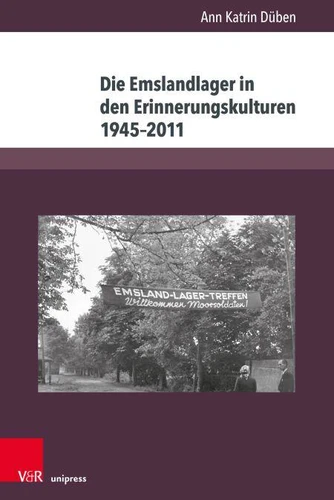
Die Emslandlager in den Erinnerungskulturen 1945–2011. Akteure, Deutungen und Formen
Par :Formats :
Disponible dans votre compte client Decitre ou Furet du Nord dès validation de votre commande. Le format PDF est :
- Compatible avec une lecture sur My Vivlio (smartphone, tablette, ordinateur)
- Compatible avec une lecture sur liseuses Vivlio
- Pour les liseuses autres que Vivlio, vous devez utiliser le logiciel Adobe Digital Edition. Non compatible avec la lecture sur les liseuses Kindle, Remarkable et Sony
 , qui est-ce ?
Notre partenaire de plateforme de lecture numérique où vous retrouverez l'ensemble de vos ebooks gratuitement
Pour en savoir plus sur nos ebooks, consultez notre aide en ligne ici
C'est si simple ! Lisez votre ebook avec l'app Vivlio sur votre tablette, mobile ou ordinateur :

- Nombre de pages320
- FormatPDF
- ISBN978-3-8470-1316-7
- EAN9783847013167
- Date de parution11/04/2022
- Protection num.pas de protection
- Taille4 Mo
- Infos supplémentairespdf
- ÉditeurV&R Unipress
Résumé
Die bundesdeutsche Gedenkstättenlandschaft gilt heute als Vorbild einer gelungenen Auseinandersetzung mit der NS-Vergangenheit. Wie Gedenkstätten an ehemaligen Tatorten aus jahrzehntelangen Aushandlungen um die Deutung der NS-Verbrechen und ihrer Opfer hervorgegangen sind, zeichnet die vorliegende Fallstudie nach. Anhand der Ortsgeschichten der Emslandlager wird Erinnerungskultur als ein gesellschaftlicher Prozess verstanden, der in den jeweiligen Zeitkontexten betrachtet wird.
Die Studie widmet sich dabei den Akteuren, die um die Erinnerung an die Emslandlager zwischen 1945 und 2011 stritten, und legt einen Schwerpunkt auf die überlebenden Moorsoldaten. Diese kämpften in Zeiten des Kalten Krieges hartnäckig gegen die Widerstände konservativer Lokal- und Landespolitiker und indifferenter Zeitgenossen um die Anerkennung ihres Schicksals. The landscape of German memorials is considered as a role model in the confrontation with the Nazi past.
The present case study shows how memorials emerged on former historical sites after decades of debates on the significance of Nazi cruelties. With the help of stories from the Emslandlager ("Emsland camps") remembrance culture is understood as a social process which is analysed from the relevant time context. The study devotes itself with the protagonists who fought for remembrance of the "Emsland camps" between 1945 and 2011 and concentrates on the surviving Moorsoldaten ("Peat Bog Soldiers").
During the cold war these soldiers fought against the strong resistance of conservative local and regional politicians, as well as indifferent people for the recognition of their doom.
Die Studie widmet sich dabei den Akteuren, die um die Erinnerung an die Emslandlager zwischen 1945 und 2011 stritten, und legt einen Schwerpunkt auf die überlebenden Moorsoldaten. Diese kämpften in Zeiten des Kalten Krieges hartnäckig gegen die Widerstände konservativer Lokal- und Landespolitiker und indifferenter Zeitgenossen um die Anerkennung ihres Schicksals. The landscape of German memorials is considered as a role model in the confrontation with the Nazi past.
The present case study shows how memorials emerged on former historical sites after decades of debates on the significance of Nazi cruelties. With the help of stories from the Emslandlager ("Emsland camps") remembrance culture is understood as a social process which is analysed from the relevant time context. The study devotes itself with the protagonists who fought for remembrance of the "Emsland camps" between 1945 and 2011 and concentrates on the surviving Moorsoldaten ("Peat Bog Soldiers").
During the cold war these soldiers fought against the strong resistance of conservative local and regional politicians, as well as indifferent people for the recognition of their doom.