SOLDES
Jusqu'à -70% sur une sélection d'articles*

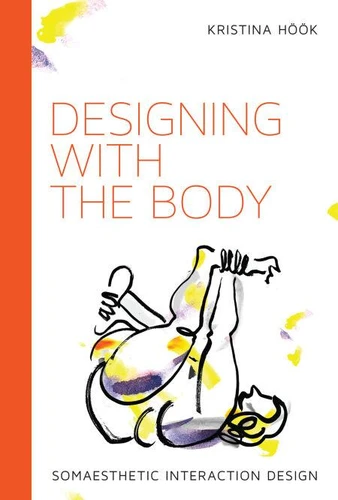
Designing with the Body. Somaesthetic Interaction Design
Par :Formats :
Disponible dans votre compte client Decitre ou Furet du Nord dès validation de votre commande. Le format ePub protégé est :
- Compatible avec une lecture sur My Vivlio (smartphone, tablette, ordinateur)
- Compatible avec une lecture sur liseuses Vivlio
- Pour les liseuses autres que Vivlio, vous devez utiliser le logiciel Adobe Digital Edition. Non compatible avec la lecture sur les liseuses Kindle, Remarkable et Sony
- Non compatible avec un achat hors France métropolitaine
 , qui est-ce ?
Notre partenaire de plateforme de lecture numérique où vous retrouverez l'ensemble de vos ebooks gratuitement
Pour en savoir plus sur nos ebooks, consultez notre aide en ligne ici
C'est si simple ! Lisez votre ebook avec l'app Vivlio sur votre tablette, mobile ou ordinateur :

- Nombre de pages272
- FormatePub
- ISBN978-0-262-34833-1
- EAN9780262348331
- Date de parution13/11/2018
- Protection num.Adobe DRM
- Taille1 Mo
- Infos supplémentairesepub
- ÉditeurThe MIT Press
Résumé
Interaction design that entails a qualitative shift from a symbolic, language-oriented stance to an experiential stance that encompasses the entire design and use cycle. With the rise of ubiquitous technology, data-driven design, and the Internet of Things, our interactions and interfaces with technology are about to change dramatically, incorporating such emerging technologies as shape-changing interfaces, wearables, and movement-tracking apps.
A successful interactive tool will allow the user to engage in a smooth, embodied, interaction, creating an intimate correspondence between users' actions and system response. And yet, as Kristina Höök points out, current design methods emphasize symbolic, language-oriented, and predominantly visual interactions. In Designing with the Body, Höök proposes a qualitative shift in interaction design to an experiential, felt, aesthetic stance that encompasses the entire design and use cycle.
Höök calls this new approach soma design; it is a process that reincorporates body and movement into a design regime that has long privileged language and logic. Soma design offers an alternative to the aggressive, rapid design processes that dominate commercial interaction design; it allows (and requires) a slow, thoughtful process that takes into account fundamental human values. She argues that this new approach will yield better products and create healthier, more sustainable companies.
Höök outlines the theory underlying soma design and describes motivations, methods, and tools. She offers examples of soma design "encounters" and an account of her own design process. She concludes with "A Soma Design Manifesto, " which challenges interaction designers to "restart" their field-to focus on bodies and perception rather than reasoning and intellect.
A successful interactive tool will allow the user to engage in a smooth, embodied, interaction, creating an intimate correspondence between users' actions and system response. And yet, as Kristina Höök points out, current design methods emphasize symbolic, language-oriented, and predominantly visual interactions. In Designing with the Body, Höök proposes a qualitative shift in interaction design to an experiential, felt, aesthetic stance that encompasses the entire design and use cycle.
Höök calls this new approach soma design; it is a process that reincorporates body and movement into a design regime that has long privileged language and logic. Soma design offers an alternative to the aggressive, rapid design processes that dominate commercial interaction design; it allows (and requires) a slow, thoughtful process that takes into account fundamental human values. She argues that this new approach will yield better products and create healthier, more sustainable companies.
Höök outlines the theory underlying soma design and describes motivations, methods, and tools. She offers examples of soma design "encounters" and an account of her own design process. She concludes with "A Soma Design Manifesto, " which challenges interaction designers to "restart" their field-to focus on bodies and perception rather than reasoning and intellect.