
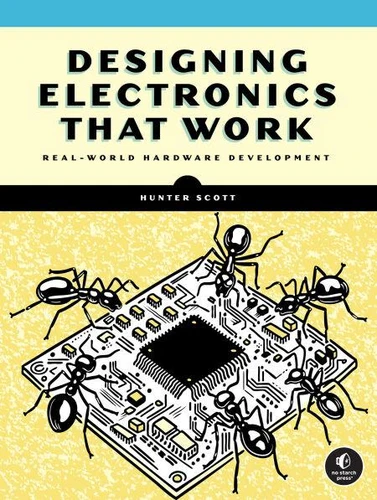
Designing Electronics That Work. Real-World Hardware Development
Par :Formats :
Disponible dans votre compte client Decitre ou Furet du Nord dès validation de votre commande. Le format ePub est :
- Compatible avec une lecture sur My Vivlio (smartphone, tablette, ordinateur)
- Compatible avec une lecture sur liseuses Vivlio
- Pour les liseuses autres que Vivlio, vous devez utiliser le logiciel Adobe Digital Edition. Non compatible avec la lecture sur les liseuses Kindle, Remarkable et Sony
 , qui est-ce ?
Notre partenaire de plateforme de lecture numérique où vous retrouverez l'ensemble de vos ebooks gratuitement
Pour en savoir plus sur nos ebooks, consultez notre aide en ligne ici
C'est si simple ! Lisez votre ebook avec l'app Vivlio sur votre tablette, mobile ou ordinateur :

- Nombre de pages360
- FormatePub
- ISBN978-1-7185-0337-3
- EAN9781718503373
- Date de parution16/09/2025
- Protection num.pas de protection
- Taille31 Mo
- Infos supplémentairesepub
- ÉditeurNo Starch Press
Résumé
How real engineers build electronics-one working piece at a time. If you've ever had a board fail on power-up, spent hours debugging a layout that "should work, " or run into a supplier problem just before a deadline-you already know this isn't just about theory. It's about judgment, decisions, and real-world constraints. Designing Electronics That Work is a guide to all the practical things you won't find in a typical electronics textbook.
It's written for people who already know a little-maybe a lot-about circuits, but want to move faster, make fewer mistakes, and ship working hardware with more confidence. You'll learn how to: Define and prioritize requirements so you're building the right thing, not just the clever thing Design schematics and layouts to make debugging easier Plan for manufacturability, compliance, and cost from day one Build a lab that helps you work faster, without spending a fortune Troubleshoot problems methodically, even when nothing's making sense Hunter Scott has designed electronics for medical devices, RF systems, startups, and art installations. This book reflects what he's learned, not as theory, but as practice.
You won't find chapter-length explanations of what a capacitor is. You will find answers to questions like: Which capacitor should I actually buy? What if the one I spec'd is out of stock? How do I avoid wasting time and money?Whether you're a hobbyist moving beyond Arduino, a new grad learning on the job, or an experienced engineer looking to streamline your process-this book will help you build smarter and avoid problems before they start.
It's written for people who already know a little-maybe a lot-about circuits, but want to move faster, make fewer mistakes, and ship working hardware with more confidence. You'll learn how to: Define and prioritize requirements so you're building the right thing, not just the clever thing Design schematics and layouts to make debugging easier Plan for manufacturability, compliance, and cost from day one Build a lab that helps you work faster, without spending a fortune Troubleshoot problems methodically, even when nothing's making sense Hunter Scott has designed electronics for medical devices, RF systems, startups, and art installations. This book reflects what he's learned, not as theory, but as practice.
You won't find chapter-length explanations of what a capacitor is. You will find answers to questions like: Which capacitor should I actually buy? What if the one I spec'd is out of stock? How do I avoid wasting time and money?Whether you're a hobbyist moving beyond Arduino, a new grad learning on the job, or an experienced engineer looking to streamline your process-this book will help you build smarter and avoid problems before they start.