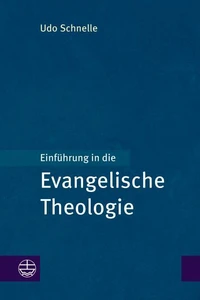
In seinem neuen Buch stellt der international anerkannte Exeget Udo Schnelle das Mythos-Verständnis von den Anfängen bis zur Gegenwart dar. Er sieht im Mythos nicht eine überholte, sondern eine sachgemäße Form des Redens von Gott und dem Göttlichen. Von Gott kann man nur in Bildern, Metaphern und Symbolen, vor allem aber in der Form des Mythos als sinnstiftender Erzählung reden. Mythen sind Grundgeschichten, die das Leben ordnen und Orientierung stiften.
Der wirkmächtige Mythos bewahrt ein Mehr an Erkenntnis und Emotionalität, das über seine zeitbedingten Interpretationen hinausgeht. Er nimmt die Offenheit und Unabgeschlossenheit der Wirklichkeit ernst und ist offen für Gottes Wirken in der Welt. Bultmanns Klassifizierung des Mythos als inadäquate Redeweise verfehlt dessen Wesen und Funktion; der Mythos ist als sinnbildende Erzählung sachgemäß und zugleich unverzichtbar; nicht nur in der Theologie, sondern auch in der Hermeneutik.
So wie Geschichte nicht entgeschichtlicht und Poesie nicht entpoetisiert werden kann, so kann auch der frühchristliche Mythos vom Leben, Sterben und der Auferstehung des Gottessohnes Jesus Christus nicht entmythologisiert werden.
Er muss vielmehr unter der Voraussetzung eines positiven Mythos-Verständnisses und den Bedingungen der neuzeitlichen, selbstkritischen Vernunft interpretiert werden.
[The Meaning of Myth in Theology and Hermeneutics]
In his new book, the internationally renowned exegete Udo Schnelle outlines our understanding of myth from its beginnings to the present. He sees in myth an appropriate, and not outdated, form of speaking about God and the divine.
One can speak of God only in images, metaphors and symbols, but above all in the form of myth as a meaning-giving narrative. Myths are fundamental stories that give order to life and provide orientation. A powerful myth preserves a surplus of knowledge and emotionality that goes beyond its temporal interpretations. It takes seriously the openness and incompleteness of reality and is open to God's work in the world.
Bultmann's classification of myth as an inadequate way of speaking misses the essence and function of myth. Myth, as a narrative that creates meaning, is appropriate and at the same time indispensable - not only in theology, but also in hermeneutics.
Just as history cannot be de-historicized and poetry de-poetized, so too the early Christian myth of the life, death and resurrection of the Son of God Jesus Christ cannot be demythologized.
Rather, it must be interpreted on the premise of a positive understanding of myth and the conditions of modern, self-critical reason.
Udo Schnelle, Dr. theol., Jahrgang 1952, studierte Evangelische Theologie in Göttingen. Er war von 1984 bis 1986 Gemeindepastor in Gieboldehausen, von 1986?1992 Professor für Neues Testament in Erlangen und von 1992 bis 2017 in Halle. Er ist Autor zahlreicher Lehrbücher zur Exegese und Theologie des Neuen Testaments sowie zur Geschichte des frühen Christentums.
Buchumschlag:
In seinem neuen Buch stellt der international anerkannte Exeget Udo Schnelle das Mythos-Verständnis von den Anfängen bis zur Gegenwart dar und sieht im Mythos nicht eine überholte, sondern eine sachgemäße Form des Redens von Gott/dem Göttlichen.
Von Gott kann man nur in Bildern, Metaphern und Symbolen, vor allem aber in der Makro-Form des Mythos als sinnstiftender Erzählung reden. Mythen sind Grundgeschichten, welche das Leben ordnen und Orientierung stiften. Bultmanns Klassifizierung des Mythos als inadäquate Redeweise verfehlt dessen Wesen und Funktion; der Mythos ist als sinnbildende Erzählung sachgemäß und zugleich unverzichtbar; nicht nur in der Theologie, sondern auch in der Hermeneutik.
So wie Geschichte nicht entgeschichtlicht und Poesie nicht entpoetisiert werden kann, so kann auch der frühchristliche Mythos vom Leben, Sterben und der Auferstehung des Gottessohnes Jesus Christus nicht entmythologisiert werden.
In seinem neuen Buch stellt der international anerkannte Exeget Udo Schnelle das Mythos-Verständnis von den Anfängen bis zur Gegenwart dar. Er sieht im Mythos nicht eine überholte, sondern eine sachgemäße Form des Redens von Gott und dem Göttlichen. Von Gott kann man nur in Bildern, Metaphern und Symbolen, vor allem aber in der Form des Mythos als sinnstiftender Erzählung reden. Mythen sind Grundgeschichten, die das Leben ordnen und Orientierung stiften.
Der wirkmächtige Mythos bewahrt ein Mehr an Erkenntnis und Emotionalität, das über seine zeitbedingten Interpretationen hinausgeht. Er nimmt die Offenheit und Unabgeschlossenheit der Wirklichkeit ernst und ist offen für Gottes Wirken in der Welt. Bultmanns Klassifizierung des Mythos als inadäquate Redeweise verfehlt dessen Wesen und Funktion; der Mythos ist als sinnbildende Erzählung sachgemäß und zugleich unverzichtbar; nicht nur in der Theologie, sondern auch in der Hermeneutik.
So wie Geschichte nicht entgeschichtlicht und Poesie nicht entpoetisiert werden kann, so kann auch der frühchristliche Mythos vom Leben, Sterben und der Auferstehung des Gottessohnes Jesus Christus nicht entmythologisiert werden.
Er muss vielmehr unter der Voraussetzung eines positiven Mythos-Verständnisses und den Bedingungen der neuzeitlichen, selbstkritischen Vernunft interpretiert werden.
[The Meaning of Myth in Theology and Hermeneutics]
In his new book, the internationally renowned exegete Udo Schnelle outlines our understanding of myth from its beginnings to the present. He sees in myth an appropriate, and not outdated, form of speaking about God and the divine.
One can speak of God only in images, metaphors and symbols, but above all in the form of myth as a meaning-giving narrative. Myths are fundamental stories that give order to life and provide orientation. A powerful myth preserves a surplus of knowledge and emotionality that goes beyond its temporal interpretations. It takes seriously the openness and incompleteness of reality and is open to God's work in the world.
Bultmann's classification of myth as an inadequate way of speaking misses the essence and function of myth. Myth, as a narrative that creates meaning, is appropriate and at the same time indispensable - not only in theology, but also in hermeneutics.
Just as history cannot be de-historicized and poetry de-poetized, so too the early Christian myth of the life, death and resurrection of the Son of God Jesus Christ cannot be demythologized.
Rather, it must be interpreted on the premise of a positive understanding of myth and the conditions of modern, self-critical reason.
Udo Schnelle, Dr. theol., Jahrgang 1952, studierte Evangelische Theologie in Göttingen. Er war von 1984 bis 1986 Gemeindepastor in Gieboldehausen, von 1986?1992 Professor für Neues Testament in Erlangen und von 1992 bis 2017 in Halle. Er ist Autor zahlreicher Lehrbücher zur Exegese und Theologie des Neuen Testaments sowie zur Geschichte des frühen Christentums.
Buchumschlag:
In seinem neuen Buch stellt der international anerkannte Exeget Udo Schnelle das Mythos-Verständnis von den Anfängen bis zur Gegenwart dar und sieht im Mythos nicht eine überholte, sondern eine sachgemäße Form des Redens von Gott/dem Göttlichen.
Von Gott kann man nur in Bildern, Metaphern und Symbolen, vor allem aber in der Makro-Form des Mythos als sinnstiftender Erzählung reden. Mythen sind Grundgeschichten, welche das Leben ordnen und Orientierung stiften. Bultmanns Klassifizierung des Mythos als inadäquate Redeweise verfehlt dessen Wesen und Funktion; der Mythos ist als sinnbildende Erzählung sachgemäß und zugleich unverzichtbar; nicht nur in der Theologie, sondern auch in der Hermeneutik.
So wie Geschichte nicht entgeschichtlicht und Poesie nicht entpoetisiert werden kann, so kann auch der frühchristliche Mythos vom Leben, Sterben und der Auferstehung des Gottessohnes Jesus Christus nicht entmythologisiert werden.

 , qui est-ce ?