SOLDES
Jusqu'à -70% sur une sélection d'articles*

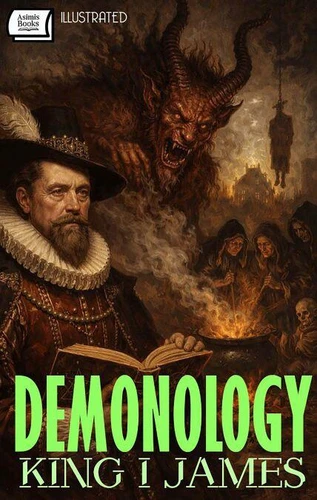
Demonology. Illustrated
Par :Formats :
Disponible dans votre compte client Decitre ou Furet du Nord dès validation de votre commande. Le format ePub est :
- Compatible avec une lecture sur My Vivlio (smartphone, tablette, ordinateur)
- Compatible avec une lecture sur liseuses Vivlio
- Pour les liseuses autres que Vivlio, vous devez utiliser le logiciel Adobe Digital Edition. Non compatible avec la lecture sur les liseuses Kindle, Remarkable et Sony
 , qui est-ce ?
Notre partenaire de plateforme de lecture numérique où vous retrouverez l'ensemble de vos ebooks gratuitement
Pour en savoir plus sur nos ebooks, consultez notre aide en ligne ici
C'est si simple ! Lisez votre ebook avec l'app Vivlio sur votre tablette, mobile ou ordinateur :

- Nombre de pages120
- FormatePub
- ISBN978-617-8787-98-1
- EAN9786178787981
- Date de parution31/12/2025
- Protection num.pas de protection
- Taille451 Ko
- Infos supplémentairesepub
- ÉditeurAsimis Books
Résumé
Demonology by King James I of England, first published in 1597, is a seminal work reflecting the fears, beliefs, and religious anxieties of late sixteenth-century Europe. Written in the form of a philosophical dialogue, the book presents King James's firm conviction in the real and dangerous presence of witches, demons, and supernatural forces actively at work in the world.
Divided into three books, Demonology explores witchcraft, necromancy, possession, and the nature of evil spirits.
King James draws heavily on theology, classical sources, and contemporary accounts to argue that witches enter into literal pacts with the Devil and possess genuine supernatural powers. He strongly rejects skeptical views-such as those advanced by Reginald Scot-and insists that disbelief in witchcraft undermines Christian faith and divine authority. The work is not merely theoretical but deeply political and judicial.
King James defends the prosecution and execution of witches, presenting them as enemies of both God and the state. His arguments helped legitimize witch trials in Britain and influenced legal and religious attitudes toward witchcraft for decades. After James ascended the English throne, Demonology gained even greater authority, reinforcing harsh policies against alleged witches. Historically, the book is significant for its impact on culture and literature.
It is widely believed to have influenced William Shakespeare's portrayal of witches in Macbeth, written during James's reign. The text thus stands at the intersection of theology, politics, law, and art. Today, Demonology is read not as a guide to the supernatural but as a revealing document of its time. It offers modern readers insight into how fear, religion, and power combined to justify persecution, making it an essential work for understanding the history of witch hunts, early modern belief systems, and the darker consequences of absolute certainty.
King James draws heavily on theology, classical sources, and contemporary accounts to argue that witches enter into literal pacts with the Devil and possess genuine supernatural powers. He strongly rejects skeptical views-such as those advanced by Reginald Scot-and insists that disbelief in witchcraft undermines Christian faith and divine authority. The work is not merely theoretical but deeply political and judicial.
King James defends the prosecution and execution of witches, presenting them as enemies of both God and the state. His arguments helped legitimize witch trials in Britain and influenced legal and religious attitudes toward witchcraft for decades. After James ascended the English throne, Demonology gained even greater authority, reinforcing harsh policies against alleged witches. Historically, the book is significant for its impact on culture and literature.
It is widely believed to have influenced William Shakespeare's portrayal of witches in Macbeth, written during James's reign. The text thus stands at the intersection of theology, politics, law, and art. Today, Demonology is read not as a guide to the supernatural but as a revealing document of its time. It offers modern readers insight into how fear, religion, and power combined to justify persecution, making it an essential work for understanding the history of witch hunts, early modern belief systems, and the darker consequences of absolute certainty.