SOLDES
Jusqu'à -70% sur une sélection d'articles*

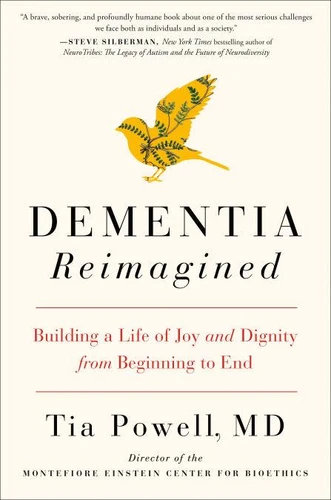
Dementia Reimagined. Building a Life of Joy and Dignity from Beginning to End
Par :Formats :
Disponible dans votre compte client Decitre ou Furet du Nord dès validation de votre commande. Le format ePub protégé est :
- Compatible avec une lecture sur My Vivlio (smartphone, tablette, ordinateur)
- Compatible avec une lecture sur liseuses Vivlio
- Pour les liseuses autres que Vivlio, vous devez utiliser le logiciel Adobe Digital Edition. Non compatible avec la lecture sur les liseuses Kindle, Remarkable et Sony
- Non compatible avec un achat hors France métropolitaine
 , qui est-ce ?
Notre partenaire de plateforme de lecture numérique où vous retrouverez l'ensemble de vos ebooks gratuitement
Pour en savoir plus sur nos ebooks, consultez notre aide en ligne ici
C'est si simple ! Lisez votre ebook avec l'app Vivlio sur votre tablette, mobile ou ordinateur :

- Nombre de pages320
- FormatePub
- ISBN978-0-7352-1092-9
- EAN9780735210929
- Date de parution02/04/2019
- Protection num.Adobe DRM
- Taille948 Ko
- Infos supplémentairesepub
- ÉditeurAvery
Résumé
The cultural and medical history of dementia and Alzheimer's disease by a leading psychiatrist and bioethicist who urges us to turn our focus from cure to care. Despite being a physician and a bioethicist, Tia Powell wasn't prepared to address the challenges she faced when her grandmother, and then her mother, were diagnosed with dementia--not to mention confronting the hard truth that her own odds aren't great.
In the U. S., 10, 000 baby boomers turn 65 every day; by the time a person reaches 85, their chances of having dementia approach 50 percent. And the truth is, there is no cure, and none coming soon, despite the perpetual promises by pharmaceutical companies that they are just one more expensive study away from a pill. Dr. Powell's goal is to move the conversation away from an exclusive focus on cure to a genuine appreciation of care--what we can do for those who have dementia, and how to keep life meaningful and even joyful.
Reimagining Dementia is a moving combination of medicine and memoir, peeling back the untold history of dementia, from the story of Solomon Fuller, a black doctor whose research at the turn of the twentieth century anticipated important aspects of what we know about dementia today, to what has been gained and lost with the recent bonanza of funding for Alzheimer's at the expense of other forms of the disease.
In demystifying dementia, Dr. Powell helps us understand it with clearer eyes, from the point of view of both physician and caregiver. Ultimately, she wants us all to know that dementia is not only about loss--it's also about the preservation of dignity and hope.
In the U. S., 10, 000 baby boomers turn 65 every day; by the time a person reaches 85, their chances of having dementia approach 50 percent. And the truth is, there is no cure, and none coming soon, despite the perpetual promises by pharmaceutical companies that they are just one more expensive study away from a pill. Dr. Powell's goal is to move the conversation away from an exclusive focus on cure to a genuine appreciation of care--what we can do for those who have dementia, and how to keep life meaningful and even joyful.
Reimagining Dementia is a moving combination of medicine and memoir, peeling back the untold history of dementia, from the story of Solomon Fuller, a black doctor whose research at the turn of the twentieth century anticipated important aspects of what we know about dementia today, to what has been gained and lost with the recent bonanza of funding for Alzheimer's at the expense of other forms of the disease.
In demystifying dementia, Dr. Powell helps us understand it with clearer eyes, from the point of view of both physician and caregiver. Ultimately, she wants us all to know that dementia is not only about loss--it's also about the preservation of dignity and hope.