OFFRE LISEUSES
Une liseuse achetée = une housse offerte* jusqu'au 21 juin

Nouveauté
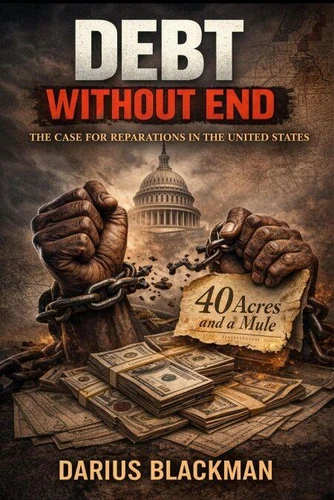
Debt Without End: The Case for Reparations
Par :Formats :
Disponible dans votre compte client Decitre ou Furet du Nord dès validation de votre commande. Le format ePub est :
- Compatible avec une lecture sur My Vivlio (smartphone, tablette, ordinateur)
- Compatible avec une lecture sur liseuses Vivlio
- Pour les liseuses autres que Vivlio, vous devez utiliser le logiciel Adobe Digital Edition. Non compatible avec la lecture sur les liseuses Kindle, Remarkable et Sony
 , qui est-ce ?
Notre partenaire de plateforme de lecture numérique où vous retrouverez l'ensemble de vos ebooks gratuitement
Pour en savoir plus sur nos ebooks, consultez notre aide en ligne ici
C'est si simple ! Lisez votre ebook avec l'app Vivlio sur votre tablette, mobile ou ordinateur :

- FormatePub
- ISBN8233080296
- EAN9798233080296
- Date de parution09/05/2026
- Protection num.pas de protection
- Infos supplémentairesepub
- ÉditeurLinda Balsamo
Résumé
America did not simply inherit a racial wound. It inherited a debt. Debt Without End: The Case for Reparations in the United States by Darius Blackman presents a direct and structured case for reparations, tracing the damage from chattel slavery through the systems that followed: Black Codes, convict leasing, stolen land, redlining, discriminatory federal policy, and the deliberate restriction of Black wealth.
This book moves beyond slogans and political noise. It examines how history became policy, how policy became economic outcome, and how generations of Black Americans were forced to carry the cost of systems built to extract labor, limit ownership, block opportunity, and protect accumulated advantage. Blackman challenges the myths commonly used to dismiss reparations. He connects past to present, loss to wealth, law to consequence, and public memory to public responsibility.
The result is a clear argument that reparations are not about guilt, charity, or symbolism. They are about record, obligation, repair, and consistency. Written for readers, educators, students, book clubs, activists, policy thinkers, and anyone willing to confront the unfinished business of American history, Debt Without End asks a question the country can no longer avoid:If the debt was never paid, what does justice require now?
This book moves beyond slogans and political noise. It examines how history became policy, how policy became economic outcome, and how generations of Black Americans were forced to carry the cost of systems built to extract labor, limit ownership, block opportunity, and protect accumulated advantage. Blackman challenges the myths commonly used to dismiss reparations. He connects past to present, loss to wealth, law to consequence, and public memory to public responsibility.
The result is a clear argument that reparations are not about guilt, charity, or symbolism. They are about record, obligation, repair, and consistency. Written for readers, educators, students, book clubs, activists, policy thinkers, and anyone willing to confront the unfinished business of American history, Debt Without End asks a question the country can no longer avoid:If the debt was never paid, what does justice require now?
A propos de Darius Blackman








6,99 €




6,99 €