SOLDES
Jusqu'à -70% sur une sélection d'articles*

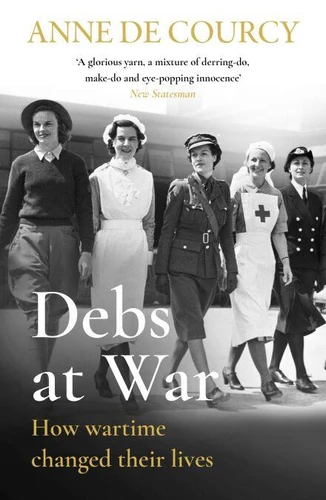
Debs at War. 1939-1945
Par :Formats :
Disponible dans votre compte client Decitre ou Furet du Nord dès validation de votre commande. Le format ePub protégé est :
- Compatible avec une lecture sur My Vivlio (smartphone, tablette, ordinateur)
- Compatible avec une lecture sur liseuses Vivlio
- Pour les liseuses autres que Vivlio, vous devez utiliser le logiciel Adobe Digital Edition. Non compatible avec la lecture sur les liseuses Kindle, Remarkable et Sony
- Non compatible avec un achat hors France métropolitaine
 , qui est-ce ?
Notre partenaire de plateforme de lecture numérique où vous retrouverez l'ensemble de vos ebooks gratuitement
Pour en savoir plus sur nos ebooks, consultez notre aide en ligne ici
C'est si simple ! Lisez votre ebook avec l'app Vivlio sur votre tablette, mobile ou ordinateur :

- Nombre de pages320
- FormatePub
- ISBN978-1-78022-575-3
- EAN9781780225753
- Date de parution19/12/2012
- Protection num.Adobe DRM
- Infos supplémentairesepub
- ÉditeurWeidenfeld & Nicolson
Résumé
An extraordinary account - from firsthand sources - of upper class women and the active part they took in the WarPre-war debutantes were members of the most protected, not to say isolated, stratum of 20th-century society: the young (17-20) unmarried daughters of the British upper classes. For most of them, the war changed all that for ever. It meant independence and the shock of the new, and daily exposure to customs and attitudes that must have seemed completely alien to them.
For many, the almost military regime of an upper class childhood meant they were well suited for the no-nonsense approach needed in wartime. This book records the extraordinary diversity of challenges, shocks and responsibilities they faced - as chauffeurs, couriers, ambulance-drivers, nurses, pilots, spies, decoders, factory workers, farmers, land girls, as well as in the Women's Services. How much did class barriers really come down? Did they stick with their own sort? And what about fun and love in wartime - did love cross the class barriers?
For many, the almost military regime of an upper class childhood meant they were well suited for the no-nonsense approach needed in wartime. This book records the extraordinary diversity of challenges, shocks and responsibilities they faced - as chauffeurs, couriers, ambulance-drivers, nurses, pilots, spies, decoders, factory workers, farmers, land girls, as well as in the Women's Services. How much did class barriers really come down? Did they stick with their own sort? And what about fun and love in wartime - did love cross the class barriers?