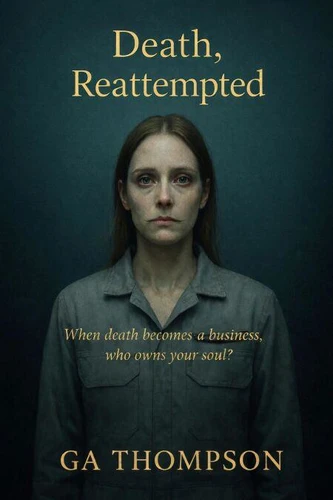
Synopsis of The Failed Resurrection Economy by ga thompsonIn a near-future America built on the profits of death itself, ResurrectionCorp has perfected the technology to bring the dead back-not as monsters, but as tireless workers. Officially called the Returned, these resurrected citizens sustain the global economy. Unofficially, they are slaves who have forgotten who they were. Told through intersecting perspectives-Marcus Chen, a mid-level operations manager complicit in the system; Sophie Reeves, a teenage girl whose father was resurrected against his will; and Senator Patricia Vance, a lawmaker haunted by the "acceptable losses" she once authorized-the novel traces the moral and political collapse of a society that has made death profitable.
What begins as a bureaucratic horror-the corporate erasure of the word "zombie" from public language-builds into a global reckoning. As memory reasserts itself among the Returned, awakening spreads like contagion. A silent rebellion emerges: the resurrected sit and hum in unison, an act of mourning and defiance. With the world watching, the illusion of control dissolves. Dr. Sarah Chen, the scientist who began it all, exposes the truth-that consciousness cannot be erased, only suppressed-and the nation faces a choice between conscience and collapse.
Protest erupts, the economy falters, and the courts must finally decide whether the Returned are property or people. In its climactic chapters, this failed economy becomes both courtroom drama and elegy. Sophie records the testimonies of the awakened, preserving their stories as evidence of humanity's refusal to be forgotten. The novel ends on a fragile note of hope: truth has surfaced, but redemption remains uncertain.
Blending corporate satire, moral philosophy, and emotional intimacy, this work explores how language can normalize atrocity, how love persists across death and data, and how the soul resists commodification-even when the law forbids its name
Synopsis of The Failed Resurrection Economy by ga thompsonIn a near-future America built on the profits of death itself, ResurrectionCorp has perfected the technology to bring the dead back-not as monsters, but as tireless workers. Officially called the Returned, these resurrected citizens sustain the global economy. Unofficially, they are slaves who have forgotten who they were. Told through intersecting perspectives-Marcus Chen, a mid-level operations manager complicit in the system; Sophie Reeves, a teenage girl whose father was resurrected against his will; and Senator Patricia Vance, a lawmaker haunted by the "acceptable losses" she once authorized-the novel traces the moral and political collapse of a society that has made death profitable.
What begins as a bureaucratic horror-the corporate erasure of the word "zombie" from public language-builds into a global reckoning. As memory reasserts itself among the Returned, awakening spreads like contagion. A silent rebellion emerges: the resurrected sit and hum in unison, an act of mourning and defiance. With the world watching, the illusion of control dissolves. Dr. Sarah Chen, the scientist who began it all, exposes the truth-that consciousness cannot be erased, only suppressed-and the nation faces a choice between conscience and collapse.
Protest erupts, the economy falters, and the courts must finally decide whether the Returned are property or people. In its climactic chapters, this failed economy becomes both courtroom drama and elegy. Sophie records the testimonies of the awakened, preserving their stories as evidence of humanity's refusal to be forgotten. The novel ends on a fragile note of hope: truth has surfaced, but redemption remains uncertain.
Blending corporate satire, moral philosophy, and emotional intimacy, this work explores how language can normalize atrocity, how love persists across death and data, and how the soul resists commodification-even when the law forbids its name


 , qui est-ce ?