SOLDES
Jusqu'à -70% sur une sélection d'articles*

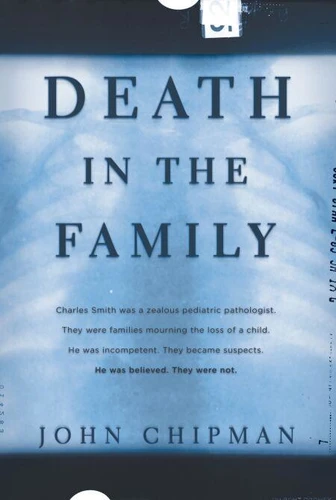
Death in the Family
Par :Formats :
Disponible dans votre compte client Decitre ou Furet du Nord dès validation de votre commande. Le format ePub protégé est :
- Compatible avec une lecture sur My Vivlio (smartphone, tablette, ordinateur)
- Compatible avec une lecture sur liseuses Vivlio
- Pour les liseuses autres que Vivlio, vous devez utiliser le logiciel Adobe Digital Edition. Non compatible avec la lecture sur les liseuses Kindle, Remarkable et Sony
- Non compatible avec un achat hors France métropolitaine
 , qui est-ce ?
Notre partenaire de plateforme de lecture numérique où vous retrouverez l'ensemble de vos ebooks gratuitement
Pour en savoir plus sur nos ebooks, consultez notre aide en ligne ici
C'est si simple ! Lisez votre ebook avec l'app Vivlio sur votre tablette, mobile ou ordinateur :

- Nombre de pages336
- FormatePub
- ISBN978-0-385-68085-1
- EAN9780385680851
- Date de parution10/01/2017
- Protection num.Adobe DRM
- Taille1 Mo
- Infos supplémentairesepub
- ÉditeurDoubleday Canada
Résumé
In this national bestseller, a work of vigorous reporting, deep compassion and unerring integrity, award-winning journalist and documentarian John Chipman investigates the lives left ruined in the wake of Dr. Charles Smith's ignominious career. In the mid-'90s, the Ontario Coroner's office decided that death investigation teams needed to "think dirty." They wanted coroners, pathologists and police to be more suspicious--to "assume that all deaths are homicides until satisfied that they are not." They were particularly concerned about pediatric deaths, which historically had been exceedingly difficult to investigate.
There were usually no witnesses; no evidence to gather at the scene; no outward signs of trauma on the body. If the pathologist did not discover the truth of what had happened, child abuse could go uncovered. Among those charged to "think dirty" was Dr. Charles Smith, Ontario's top pediatric forensic pathologist at the time. But with virtually no training in forensics, Dr. Smith was ill prepared for his work.
Instead of basing his judgments on forensic evidence found during autopsies, he allowed himself to be swayed by circumstantial evidence. The defendants were often single mothers--some on welfare, some struggling with substance abuse. And they made for easy targets. Dr. Smith made dangerous assumptions, and the results were catastrophic. Numerous individuals were pronounced guilty, and incarcerated, on his shaky evidence. This penetrating investigative work explores the wide ripples of destruction caused when the justice system fails, the burden felt by ethical individuals working within that system and the importance of its victims finally being heard.
There were usually no witnesses; no evidence to gather at the scene; no outward signs of trauma on the body. If the pathologist did not discover the truth of what had happened, child abuse could go uncovered. Among those charged to "think dirty" was Dr. Charles Smith, Ontario's top pediatric forensic pathologist at the time. But with virtually no training in forensics, Dr. Smith was ill prepared for his work.
Instead of basing his judgments on forensic evidence found during autopsies, he allowed himself to be swayed by circumstantial evidence. The defendants were often single mothers--some on welfare, some struggling with substance abuse. And they made for easy targets. Dr. Smith made dangerous assumptions, and the results were catastrophic. Numerous individuals were pronounced guilty, and incarcerated, on his shaky evidence. This penetrating investigative work explores the wide ripples of destruction caused when the justice system fails, the burden felt by ethical individuals working within that system and the importance of its victims finally being heard.