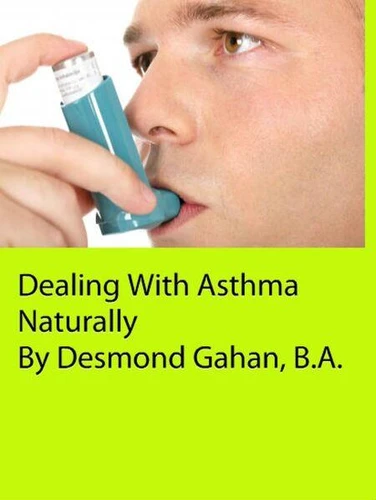
Dealing With Asthma Naturally
Par :Formats :
Disponible dans votre compte client Decitre ou Furet du Nord dès validation de votre commande. Le format ePub est :
- Compatible avec une lecture sur My Vivlio (smartphone, tablette, ordinateur)
- Compatible avec une lecture sur liseuses Vivlio
- Pour les liseuses autres que Vivlio, vous devez utiliser le logiciel Adobe Digital Edition. Non compatible avec la lecture sur les liseuses Kindle, Remarkable et Sony
 , qui est-ce ?
Notre partenaire de plateforme de lecture numérique où vous retrouverez l'ensemble de vos ebooks gratuitement
Pour en savoir plus sur nos ebooks, consultez notre aide en ligne ici
C'est si simple ! Lisez votre ebook avec l'app Vivlio sur votre tablette, mobile ou ordinateur :

- FormatePub
- ISBN978-1-386-24444-8
- EAN9781386244448
- Date de parution30/06/2017
- Protection num.pas de protection
- Infos supplémentairesepub
- ÉditeurRelay Publishing
Résumé
Asthma symptoms vary from person to person. You may have infrequent asthma attacks, have symptoms only at certain times - such as when exercising - or have symptoms all the time. Asthma signs and symptoms include: Shortness of breath Chest tightness or pain Trouble sleeping caused by shortness of breath, coughing or wheezing A whistling or wheezing sound when exhaling (wheezing is a common sign of asthma in children) Coughing or wheezing attacks that are worsened by a respiratory virus, such as a cold or the flu Signs that your asthma is probably worsening include: Asthma signs and symptoms that are more frequent and bothersome Increasing difficulty breathing (measurable with a peak flow meter, a device used to check how well your lungs are working) The need to use a quick-relief inhaler more often For some people, asthma signs and symptoms flare up in certain situations: Exercise-induced asthma, which may be worse when the air is cold and dry Occupational asthma, triggered by workplace irritants such as chemical fumes, gases or dust Allergy-induced asthma, triggered by airborne substances, such as pollen, mold spores, cockroach waste or particles of skin and dried saliva shed by pets (pet dander) When to see a doctorSeek emergency treatmentSevere asthma attacks can be life-threatening.
Work with your doctor to determine what to do when your signs and symptoms worsen - and when you need emergency treatment. Signs of an asthma emergency include: Rapid worsening of shortness of breath or wheezing No improvement even after using a quick-relief inhaler, such as albuterol Shortness of breath when you are doing minimal physical activity Contact your doctorSee your doctor: If you think you have asthma. If you have frequent coughing or wheezing that lasts more than a few days or any other signs or symptoms of asthma, see your doctor.
Treating asthma early may prevent long-term lung damage and help keep the condition from worsening over time. To monitor your asthma after diagnosis. If you know you have asthma, work with your doctor to keep it under control. Good long-term control helps you feel better from day to day and can prevent a life-threatening asthma attack. If your asthma symptoms get worse. Contact your doctor right away if your medication doesn't seem to ease your symptoms or if you need to use your quick-relief inhaler more often.
Don't try to solve the problem by taking more medication without consulting your doctor. Overusing asthma medication can cause side effects and may make your asthma worse. To review your treatment. Asthma often changes over time. Meet with your doctor regularly to discuss your symptoms and make any needed treatment adjustments.
Work with your doctor to determine what to do when your signs and symptoms worsen - and when you need emergency treatment. Signs of an asthma emergency include: Rapid worsening of shortness of breath or wheezing No improvement even after using a quick-relief inhaler, such as albuterol Shortness of breath when you are doing minimal physical activity Contact your doctorSee your doctor: If you think you have asthma. If you have frequent coughing or wheezing that lasts more than a few days or any other signs or symptoms of asthma, see your doctor.
Treating asthma early may prevent long-term lung damage and help keep the condition from worsening over time. To monitor your asthma after diagnosis. If you know you have asthma, work with your doctor to keep it under control. Good long-term control helps you feel better from day to day and can prevent a life-threatening asthma attack. If your asthma symptoms get worse. Contact your doctor right away if your medication doesn't seem to ease your symptoms or if you need to use your quick-relief inhaler more often.
Don't try to solve the problem by taking more medication without consulting your doctor. Overusing asthma medication can cause side effects and may make your asthma worse. To review your treatment. Asthma often changes over time. Meet with your doctor regularly to discuss your symptoms and make any needed treatment adjustments.