Nouveauté
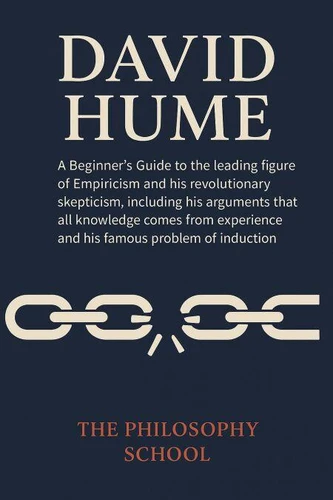
David Hume: A Beginner's Guide to the leading figure of Scottish Empiricism and his skepticism, including his arguments that all knowledge comes from experience and his famous problem of induction.. Western Philosophy
Par :Formats :
Disponible dans votre compte client Decitre ou Furet du Nord dès validation de votre commande. Le format ePub est :
- Compatible avec une lecture sur My Vivlio (smartphone, tablette, ordinateur)
- Compatible avec une lecture sur liseuses Vivlio
- Pour les liseuses autres que Vivlio, vous devez utiliser le logiciel Adobe Digital Edition. Non compatible avec la lecture sur les liseuses Kindle, Remarkable et Sony
 , qui est-ce ?
Notre partenaire de plateforme de lecture numérique où vous retrouverez l'ensemble de vos ebooks gratuitement
Pour en savoir plus sur nos ebooks, consultez notre aide en ligne ici
C'est si simple ! Lisez votre ebook avec l'app Vivlio sur votre tablette, mobile ou ordinateur :

- FormatePub
- ISBN8232443566
- EAN9798232443566
- Date de parution11/10/2025
- Protection num.pas de protection
- Infos supplémentairesepub
- ÉditeurDraft2Digital
Résumé
What if the connection between cause and effect is just an illusion in your mind?This is the kind of radical question David Hume, the amiable but revolutionary Scottish philosopher, dared to ask. In an age of dogmatic certainty, Hume took a flamethrower to the foundations of Western philosophy, arguing that all our knowledge-from science to morality-comes not from pure reason, but from the messy, unpredictable data of experience.
This guide, from The Philosophy School, provides a clear and accessible entry point into the thought of one of history's greatest skeptics. You will journey through his powerful arguments, discovering how he systematically dismantled our assumptions about causality, personal identity, and even the existence of miracles. Inside this beginner's guide, you will discover: Hume's Fork: Master the simple, powerful tool he used to carve up all human knowledge into two distinct categories-and see why most of what we "know" is less certain than we think.
The Problem of Induction: Uncover his shocking argument that cause and effect is a habit of mind, not a law of nature, and what that means for science. The Search for the Self: Join Hume's introspective journey and confront his startling conclusion that we are merely a "bundle of perceptions." Reason as the "Slave of the Passions": Explore why he believed that morality comes from feeling and sentiment, not from cold, hard logic.
Whether you are a student of philosophy or simply someone who wants to sharpen your critical thinking skills, this guide is an essential primer on the power of skepticism and the importance of questioning what we think we know for certain.
This guide, from The Philosophy School, provides a clear and accessible entry point into the thought of one of history's greatest skeptics. You will journey through his powerful arguments, discovering how he systematically dismantled our assumptions about causality, personal identity, and even the existence of miracles. Inside this beginner's guide, you will discover: Hume's Fork: Master the simple, powerful tool he used to carve up all human knowledge into two distinct categories-and see why most of what we "know" is less certain than we think.
The Problem of Induction: Uncover his shocking argument that cause and effect is a habit of mind, not a law of nature, and what that means for science. The Search for the Self: Join Hume's introspective journey and confront his startling conclusion that we are merely a "bundle of perceptions." Reason as the "Slave of the Passions": Explore why he believed that morality comes from feeling and sentiment, not from cold, hard logic.
Whether you are a student of philosophy or simply someone who wants to sharpen your critical thinking skills, this guide is an essential primer on the power of skepticism and the importance of questioning what we think we know for certain.
What if the connection between cause and effect is just an illusion in your mind?This is the kind of radical question David Hume, the amiable but revolutionary Scottish philosopher, dared to ask. In an age of dogmatic certainty, Hume took a flamethrower to the foundations of Western philosophy, arguing that all our knowledge-from science to morality-comes not from pure reason, but from the messy, unpredictable data of experience.
This guide, from The Philosophy School, provides a clear and accessible entry point into the thought of one of history's greatest skeptics. You will journey through his powerful arguments, discovering how he systematically dismantled our assumptions about causality, personal identity, and even the existence of miracles. Inside this beginner's guide, you will discover: Hume's Fork: Master the simple, powerful tool he used to carve up all human knowledge into two distinct categories-and see why most of what we "know" is less certain than we think.
The Problem of Induction: Uncover his shocking argument that cause and effect is a habit of mind, not a law of nature, and what that means for science. The Search for the Self: Join Hume's introspective journey and confront his startling conclusion that we are merely a "bundle of perceptions." Reason as the "Slave of the Passions": Explore why he believed that morality comes from feeling and sentiment, not from cold, hard logic.
Whether you are a student of philosophy or simply someone who wants to sharpen your critical thinking skills, this guide is an essential primer on the power of skepticism and the importance of questioning what we think we know for certain.
This guide, from The Philosophy School, provides a clear and accessible entry point into the thought of one of history's greatest skeptics. You will journey through his powerful arguments, discovering how he systematically dismantled our assumptions about causality, personal identity, and even the existence of miracles. Inside this beginner's guide, you will discover: Hume's Fork: Master the simple, powerful tool he used to carve up all human knowledge into two distinct categories-and see why most of what we "know" is less certain than we think.
The Problem of Induction: Uncover his shocking argument that cause and effect is a habit of mind, not a law of nature, and what that means for science. The Search for the Self: Join Hume's introspective journey and confront his startling conclusion that we are merely a "bundle of perceptions." Reason as the "Slave of the Passions": Explore why he believed that morality comes from feeling and sentiment, not from cold, hard logic.
Whether you are a student of philosophy or simply someone who wants to sharpen your critical thinking skills, this guide is an essential primer on the power of skepticism and the importance of questioning what we think we know for certain.
A propos de The Philosophy School
4,49 €
4,49 €