


SOLDES
Jusqu'à -70% sur une sélection d'articles*
Nouveauté
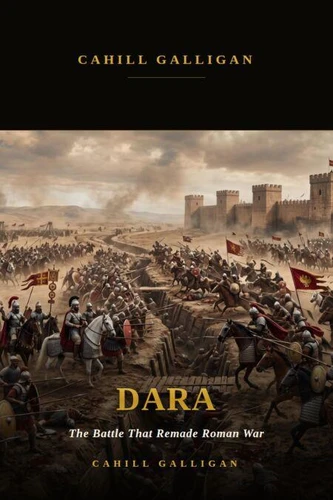
Dara the Battle That Remade Roman War
Par :Formats :
Disponible dans votre compte client Decitre ou Furet du Nord dès validation de votre commande. Le format ePub est :
- Compatible avec une lecture sur My Vivlio (smartphone, tablette, ordinateur)
- Compatible avec une lecture sur liseuses Vivlio
- Pour les liseuses autres que Vivlio, vous devez utiliser le logiciel Adobe Digital Edition. Non compatible avec la lecture sur les liseuses Kindle, Remarkable et Sony
, qui est-ce ?Notre partenaire de plateforme de lecture numérique où vous retrouverez l'ensemble de vos ebooks gratuitement
Pour en savoir plus sur nos ebooks, consultez notre aide en ligne ici
- FormatePub
- ISBN8235854864
- EAN9798235854864
- Date de parution13/06/2026
- Protection num.pas de protection
- Infos supplémentairesepub
- ÉditeurIoakim Ioakim
Résumé
Dara the Battle That Remade Roman War In June 530, on a plain south of a Roman fortress eighteen kilometers from Persian Nisibis, a young commander disgraced by a recent military catastrophe turned the very weapon that had destroyed his army two years earlier back upon the empire that had taught it to him. This is the story of the Battle of Dara: how Flavius Belisarius, fresh from the humiliation of Thannuris, absorbed the lesson of a Sasanian trench trap and rebuilt it, in plain sight, as the centerpiece of a tactical system that would defeat a Persian army nearly twice the size of his own.
Drawing on the rival accounts of Procopius and John Malalas, this book traces the full arc of the Iberian War, from the religious crisis in the Caucasus that ignited it, through the armies, commanders, and federate cavalry who decided its outcome, to the Eternal Peace of 532 and the fortress's long, violent afterlife across a century of sieges. Written with the narrative drive of the finest military history, this is an account of innovation born from defeat, and of two empires whose rivalry neither could win and neither could end.


