SOLDES
Jusqu'à -70% sur une sélection d'articles*

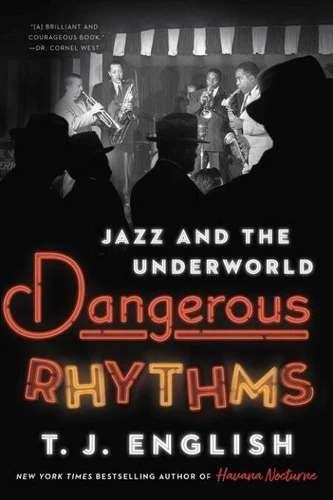
Dangerous Rhythms. Jazz and the Underworld
Par :Formats :
Disponible dans votre compte client Decitre ou Furet du Nord dès validation de votre commande. Le format ePub protégé est :
- Compatible avec une lecture sur My Vivlio (smartphone, tablette, ordinateur)
- Compatible avec une lecture sur liseuses Vivlio
- Pour les liseuses autres que Vivlio, vous devez utiliser le logiciel Adobe Digital Edition. Non compatible avec la lecture sur les liseuses Kindle, Remarkable et Sony
- Non compatible avec un achat hors France métropolitaine
 , qui est-ce ?
Notre partenaire de plateforme de lecture numérique où vous retrouverez l'ensemble de vos ebooks gratuitement
Pour en savoir plus sur nos ebooks, consultez notre aide en ligne ici
C'est si simple ! Lisez votre ebook avec l'app Vivlio sur votre tablette, mobile ou ordinateur :

- Nombre de pages448
- FormatePub
- ISBN978-0-06-303143-2
- EAN9780063031432
- Date de parution02/08/2022
- Protection num.Adobe DRM
- Infos supplémentairesepub
- ÉditeurWilliam Morrow
Résumé
From T. J. English, the New York Times bestselling author of Havana Nocturne, comes the epic, scintillating narrative of the interconnected worlds of jazz and organized crime in 20th century America."[A] brilliant and courageous book." -Dr. Cornel WestDangerous Rhythms tells the symbiotic story of jazz and the underworld: a relationship fostered in some of 20th century America's most notorious vice districts.
For the first half of the century mobsters and musicians enjoyed a mutually beneficial partnership. By offering artists like Louis Armstrong, Earl "Fatha" Hines, Fats Waller, Duke Ellington, Billie Holiday, Lena Horne, and Ella Fitzgerald a stage, the mob, including major players Al Capone, Meyer Lansky, and Charlie "Lucky" Luciano, provided opportunities that would not otherwise have existed. Even so, at the heart of this relationship was a festering racial inequity.
The musicians were mostly African American, and the clubs and means of production were owned by white men. It was a glorified plantation system that, over time, would find itself out of tune with an emerging Civil Rights movement. Some artists, including Louis Armstrong, believed they were safer and more likely to be paid fairly if they worked in "protected" joints. Others believed that playing in venues outside mob rule would make it easier to have control over their careers.
Through English's voluminous research and keen narrative skills, Dangerous Rhythms reveals this deeply fascinating slice of American history in all its sordid glory.
For the first half of the century mobsters and musicians enjoyed a mutually beneficial partnership. By offering artists like Louis Armstrong, Earl "Fatha" Hines, Fats Waller, Duke Ellington, Billie Holiday, Lena Horne, and Ella Fitzgerald a stage, the mob, including major players Al Capone, Meyer Lansky, and Charlie "Lucky" Luciano, provided opportunities that would not otherwise have existed. Even so, at the heart of this relationship was a festering racial inequity.
The musicians were mostly African American, and the clubs and means of production were owned by white men. It was a glorified plantation system that, over time, would find itself out of tune with an emerging Civil Rights movement. Some artists, including Louis Armstrong, believed they were safer and more likely to be paid fairly if they worked in "protected" joints. Others believed that playing in venues outside mob rule would make it easier to have control over their careers.
Through English's voluminous research and keen narrative skills, Dangerous Rhythms reveals this deeply fascinating slice of American history in all its sordid glory.