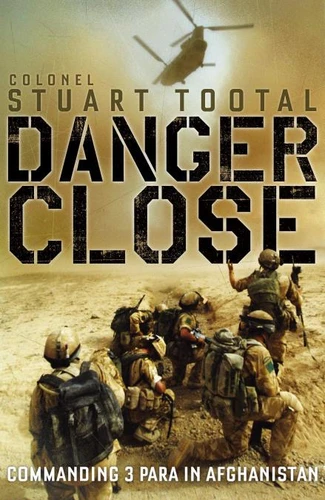
Colonel Stuart Tootal is the first senior commander to provide an account of the fighting in Afghanistan. A gritty portrayal of unforgiving conflict, Danger Close captures the essence of combat, the risks involved and the aftermath. 3 PARA was the first unit into Helmand in 2006. Sent on a peace mission, it became engaged in a level of combat that has not been experienced by the British Army since the end of the Korean War.
Undermanned and suffering from equipment shortages, 3 PARA fought doggedly to win the break in battle. Numerous gallantry decorations were awarded, but they were not without cost. On returning from Afghanistan, Tootal fought to get proper treatment for his wounded and feeling frustrated with the Government's treatment of its soldiers, he resigned from the Army. This is a dramatic, and often moving, insight into the leadership of soldiers and the sharp end of war.
Colonel Stuart Tootal is the first senior commander to provide an account of the fighting in Afghanistan. A gritty portrayal of unforgiving conflict, Danger Close captures the essence of combat, the risks involved and the aftermath. 3 PARA was the first unit into Helmand in 2006. Sent on a peace mission, it became engaged in a level of combat that has not been experienced by the British Army since the end of the Korean War.
Undermanned and suffering from equipment shortages, 3 PARA fought doggedly to win the break in battle. Numerous gallantry decorations were awarded, but they were not without cost. On returning from Afghanistan, Tootal fought to get proper treatment for his wounded and feeling frustrated with the Government's treatment of its soldiers, he resigned from the Army. This is a dramatic, and often moving, insight into the leadership of soldiers and the sharp end of war.