SOLDES
Jusqu'à -70% sur une sélection d'articles*

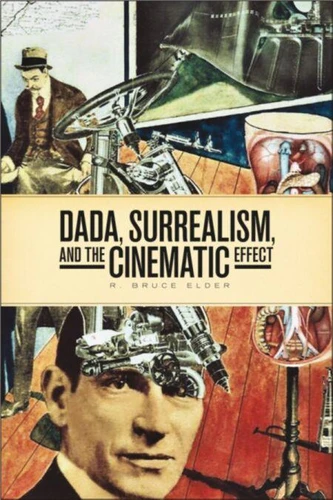
DADA, Surrealism, and the Cinematic Effect
Par :Formats :
Disponible dans votre compte client Decitre ou Furet du Nord dès validation de votre commande. Le format ePub est :
- Compatible avec une lecture sur My Vivlio (smartphone, tablette, ordinateur)
- Compatible avec une lecture sur liseuses Vivlio
- Pour les liseuses autres que Vivlio, vous devez utiliser le logiciel Adobe Digital Edition. Non compatible avec la lecture sur les liseuses Kindle, Remarkable et Sony
 , qui est-ce ?
Notre partenaire de plateforme de lecture numérique où vous retrouverez l'ensemble de vos ebooks gratuitement
Pour en savoir plus sur nos ebooks, consultez notre aide en ligne ici
C'est si simple ! Lisez votre ebook avec l'app Vivlio sur votre tablette, mobile ou ordinateur :

- Nombre de pages776
- FormatePub
- ISBN978-1-55458-380-5
- EAN9781554583805
- Date de parution06/08/2013
- Protection num.Digital Watermarking
- Taille4 Mo
- Infos supplémentairesepub
- ÉditeurWilfrid Laurier University Press
Résumé
This book deals with the early intellectual reception of the cinema and the manner in which art theorists, philosophers, cultural theorists, and especially artists of the first decades of the twentieth century responded to its advent. While the idea persists that early writers on film were troubled by the cinema's lowly form, this work proposes that there was another, largely unrecognized, strain in the reception of it.
Far from anxious about film's provenance in popular entertainment, some writers and artists proclaimed that the cinema was the most important art for the moderns, as it exemplified the vibrancy of contemporary life. This view of the cinema was especially common among those whose commitments were to advanced artistic practices. Their notions about how to recast the art media (or the forms forged from those media's materials) and the urgency of doing so formed the principal part of the conceptual core of the artistic programs advanced by the vanguard art movements of the first half of the twentieth century.
This book, a companion to the author's previous, Harmony & Dissent, examines the Dada and Surrealist movements as responses to the advent of the cinema.
Far from anxious about film's provenance in popular entertainment, some writers and artists proclaimed that the cinema was the most important art for the moderns, as it exemplified the vibrancy of contemporary life. This view of the cinema was especially common among those whose commitments were to advanced artistic practices. Their notions about how to recast the art media (or the forms forged from those media's materials) and the urgency of doing so formed the principal part of the conceptual core of the artistic programs advanced by the vanguard art movements of the first half of the twentieth century.
This book, a companion to the author's previous, Harmony & Dissent, examines the Dada and Surrealist movements as responses to the advent of the cinema.