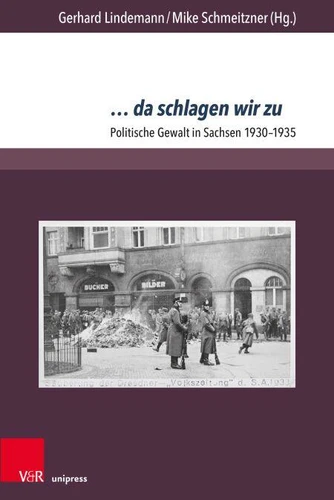
Während der Endphase der Weimarer Demokratie nahm die Radikalisierung der politischen Ränder zu, verbunden mit einem Anstieg der Zustimmungswerte für die extremistischen Parteien NSDAP und KPD. Diese Entwicklung ging einher mit einem Dynamisierungsprozess verbaler und darauf folgend physischer Gewalt. Die zum Teil bürgerkriegsähnlichen Verhältnisse vor 1933 wurden nach der Machtübernahme durch die NSDAP durch eine zunehmend perfektionierte Gewalt seitens des Staates und der Partei abgelöst.
In Sachsen kam es, nicht zuletzt aufgrund der seit 1918 besonders großen gesellschaftlichen Polarisierung, zu einer äußerst rücksichtslosen Verfolgung vornehmlich politischer Gegner, an der sich sogar Gauleiter Martin Mutschmann aktiv beteiligte. Anhand ausgewählter Einzelfälle soll die Dynamik dieser Entwicklung aufgezeigt werden.
During the end of the Weimar Republic both the radicalisation of the political extremes and the approval for extremist parties such as the Nazi Party NSDAP or the Communist Party KPD increased.
This development was closely connected with the dynamization process of verbal and physical violence. The situation before 1933 was in part similar to that of a civil war and was replaced by an increasingly perfectionated violence of the state and party after the Nazi Party came into power. Due to the social polarisation starting in Saxony in 1918, a reckless persecution of mainly political opponents started, even actively involving Gauleiter Martin Mutschmann.
With the help of chosen examples, the authors depict the dynamics of this development.
Während der Endphase der Weimarer Demokratie nahm die Radikalisierung der politischen Ränder zu, verbunden mit einem Anstieg der Zustimmungswerte für die extremistischen Parteien NSDAP und KPD. Diese Entwicklung ging einher mit einem Dynamisierungsprozess verbaler und darauf folgend physischer Gewalt. Die zum Teil bürgerkriegsähnlichen Verhältnisse vor 1933 wurden nach der Machtübernahme durch die NSDAP durch eine zunehmend perfektionierte Gewalt seitens des Staates und der Partei abgelöst.
In Sachsen kam es, nicht zuletzt aufgrund der seit 1918 besonders großen gesellschaftlichen Polarisierung, zu einer äußerst rücksichtslosen Verfolgung vornehmlich politischer Gegner, an der sich sogar Gauleiter Martin Mutschmann aktiv beteiligte. Anhand ausgewählter Einzelfälle soll die Dynamik dieser Entwicklung aufgezeigt werden.
During the end of the Weimar Republic both the radicalisation of the political extremes and the approval for extremist parties such as the Nazi Party NSDAP or the Communist Party KPD increased.
This development was closely connected with the dynamization process of verbal and physical violence. The situation before 1933 was in part similar to that of a civil war and was replaced by an increasingly perfectionated violence of the state and party after the Nazi Party came into power. Due to the social polarisation starting in Saxony in 1918, a reckless persecution of mainly political opponents started, even actively involving Gauleiter Martin Mutschmann.
With the help of chosen examples, the authors depict the dynamics of this development.