SOLDES
Jusqu'à -70% sur une sélection d'articles*

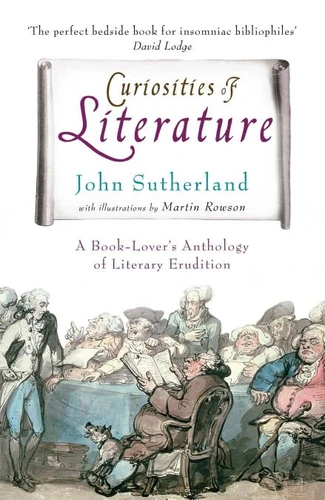
Curiosities of Literature
Par :Formats :
Disponible dans votre compte client Decitre ou Furet du Nord dès validation de votre commande. Le format ePub protégé est :
- Compatible avec une lecture sur My Vivlio (smartphone, tablette, ordinateur)
- Compatible avec une lecture sur liseuses Vivlio
- Pour les liseuses autres que Vivlio, vous devez utiliser le logiciel Adobe Digital Edition. Non compatible avec la lecture sur les liseuses Kindle, Remarkable et Sony
- Non compatible avec un achat hors France métropolitaine
 , qui est-ce ?
Notre partenaire de plateforme de lecture numérique où vous retrouverez l'ensemble de vos ebooks gratuitement
Pour en savoir plus sur nos ebooks, consultez notre aide en ligne ici
C'est si simple ! Lisez votre ebook avec l'app Vivlio sur votre tablette, mobile ou ordinateur :

- Nombre de pages304
- FormatePub
- ISBN978-1-4464-0901-5
- EAN9781446409015
- Date de parution31/10/2010
- Protection num.Adobe DRM
- Infos supplémentairesepub
- ÉditeurCornerstone Digital
Résumé
How much heavier was Thackeray's brain than Walt Whitman's? Which novels do American soldiers read? When did cigarettes start making an appearance in English literature? And, while we're about it, who wrote the first Western, is there any link between asthma and literary genius, and what really happened on Dorothea's wedding night in Middlemarch?In Curiosities of Literature, John Sutherland contemplates the full import of questions such as these, and attempts a few answers in a series of essays that are both witty and eclectic.
His approach is also unashamedly discursive. An account of the fast-working Mickey Spillane, for example, leads to a consideration of the substances, both legal and illegal, that authors have employed to boost their creative energies. An essay on good and bad handwriting points out in passing that Thackeray could write the Lord's Prayer on the back of a stamp. As for Mary Shelley, a brief recital of the circumstances in which she wrote Frankenstein stops off to consider what impact the miserable summer weather of 1816 had on the future path of English literature.
Of course, it is debatable whether knowledge of these arcane topics adds to the wisdom of nations, but it does highlight the random pleasures to be found in reading literature and reading about it. As John Sutherland rightly asks, 'Why else read?'
His approach is also unashamedly discursive. An account of the fast-working Mickey Spillane, for example, leads to a consideration of the substances, both legal and illegal, that authors have employed to boost their creative energies. An essay on good and bad handwriting points out in passing that Thackeray could write the Lord's Prayer on the back of a stamp. As for Mary Shelley, a brief recital of the circumstances in which she wrote Frankenstein stops off to consider what impact the miserable summer weather of 1816 had on the future path of English literature.
Of course, it is debatable whether knowledge of these arcane topics adds to the wisdom of nations, but it does highlight the random pleasures to be found in reading literature and reading about it. As John Sutherland rightly asks, 'Why else read?'