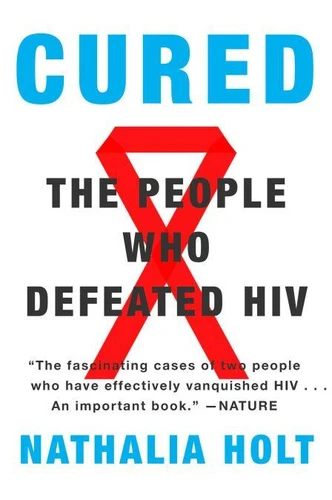
Cured. How the Berlin Patients Defeated HIV and Forever Changed Medical Science
Par :Formats :
Disponible dans votre compte client Decitre ou Furet du Nord dès validation de votre commande. Le format ePub protégé est :
- Compatible avec une lecture sur My Vivlio (smartphone, tablette, ordinateur)
- Compatible avec une lecture sur liseuses Vivlio
- Pour les liseuses autres que Vivlio, vous devez utiliser le logiciel Adobe Digital Edition. Non compatible avec la lecture sur les liseuses Kindle, Remarkable et Sony
- Non compatible avec un achat hors France métropolitaine
 , qui est-ce ?
Notre partenaire de plateforme de lecture numérique où vous retrouverez l'ensemble de vos ebooks gratuitement
Pour en savoir plus sur nos ebooks, consultez notre aide en ligne ici
C'est si simple ! Lisez votre ebook avec l'app Vivlio sur votre tablette, mobile ou ordinateur :

- Nombre de pages336
- FormatePub
- ISBN978-0-698-14854-3
- EAN9780698148543
- Date de parution27/02/2014
- Protection num.Adobe DRM
- Taille2 Mo
- Infos supplémentairesepub
- ÉditeurPlume
Résumé
"Nathalia Holt presents a thorough account of the research that provides scientists with hope that a cure will one day be achievable... and her empathy shines through in her prose. This is as important a social history as it is a medical document."-The Daily Beast Two patients-each known in medical history as the Berlin Patient-were cured of the HIV virus. The two patients' disparate cures came twelve years apart, but Nathalia Holt, an award-winning scientist at the forefront of HIV research, connects the molecular dots of these cases for the first time. Scientists are known to maintain a professional distance from those they study, but sometimes scientists are not just investigators, they are caregivers, too.
Cured illustrates that even in the era of high-tech and big pharma, the way doctors and patients communicate remains a critical ingredient in the advance of this science. Holt offers a kind of hope that the thirty-four million people currently infected with HIV need and a story of ingenuity, dedication, and humanity that will inspire the rest of us.
Cured illustrates that even in the era of high-tech and big pharma, the way doctors and patients communicate remains a critical ingredient in the advance of this science. Holt offers a kind of hope that the thirty-four million people currently infected with HIV need and a story of ingenuity, dedication, and humanity that will inspire the rest of us.