SOLDES
Jusqu'à -70% sur une sélection d'articles*


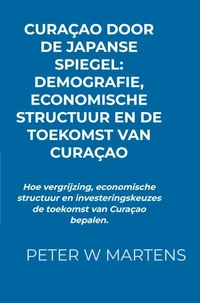
Curaçao in the Japanese Mirror. Demography, Economic Structure, and the Island's Path to a Resilient Future
Par :Formats :
Disponible dans votre compte client Decitre ou Furet du Nord dès validation de votre commande. Le format ePub est :
- Compatible avec une lecture sur My Vivlio (smartphone, tablette, ordinateur)
- Compatible avec une lecture sur liseuses Vivlio
- Pour les liseuses autres que Vivlio, vous devez utiliser le logiciel Adobe Digital Edition. Non compatible avec la lecture sur les liseuses Kindle, Remarkable et Sony
 , qui est-ce ?
Notre partenaire de plateforme de lecture numérique où vous retrouverez l'ensemble de vos ebooks gratuitement
Pour en savoir plus sur nos ebooks, consultez notre aide en ligne ici
C'est si simple ! Lisez votre ebook avec l'app Vivlio sur votre tablette, mobile ou ordinateur :

- Nombre de pages74
- FormatePub
- ISBN978-94-038-5087-0
- EAN9789403850870
- Date de parution01/12/2025
- Protection num.Digital Watermarking
- Taille168 Ko
- Infos supplémentairesepub
- ÉditeurBookmundo
Résumé
Curaçao in the Japanese Mirror presents a comprehensive and forward-looking analysis of one of the most pressing challenges facing the island today: the intersection of rapid population aging, structural economic vulnerability, and limited institutional capacity. By using Japan-the world's most advanced aging society-as a comparative lens, the book uncovers deep parallels and provides valuable insights into Curaçao's demographic and economic trajectory.
The publication examines how an aging population affects national savings, productivity, public finances, and the viability of key sectors such as tourism, real estate, and financial services.
It identifies the systemic tensions that arise when a shrinking labor force meets a consumption-driven, low-productivity economic model. And it shows why diversification, human capital development, and institutional modernization must become national priorities.
It identifies the systemic tensions that arise when a shrinking labor force meets a consumption-driven, low-productivity economic model. And it shows why diversification, human capital development, and institutional modernization must become national priorities.