SOLDES
Jusqu'à -70% sur une sélection d'articles*

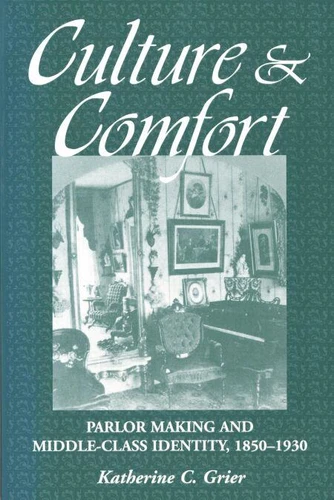
Culture and Comfort. Parlor Making and Middle-Class Identity, 1850-1930
Par :Formats :
Disponible dans votre compte client Decitre ou Furet du Nord dès validation de votre commande. Le format ePub protégé est :
- Compatible avec une lecture sur My Vivlio (smartphone, tablette, ordinateur)
- Compatible avec une lecture sur liseuses Vivlio
- Pour les liseuses autres que Vivlio, vous devez utiliser le logiciel Adobe Digital Edition. Non compatible avec la lecture sur les liseuses Kindle, Remarkable et Sony
- Non compatible avec un achat hors France métropolitaine
 , qui est-ce ?
Notre partenaire de plateforme de lecture numérique où vous retrouverez l'ensemble de vos ebooks gratuitement
Pour en savoir plus sur nos ebooks, consultez notre aide en ligne ici
C'est si simple ! Lisez votre ebook avec l'app Vivlio sur votre tablette, mobile ou ordinateur :

- Nombre de pages280
- FormatePub
- ISBN978-1-58834-347-5
- EAN9781588343475
- Date de parution03/09/2013
- Protection num.Adobe DRM
- Taille11 Mo
- Infos supplémentairesepub
- ÉditeurSmithsonian Books
Résumé
In Culture and Comfort Katherine C. Grier shows how the design and furnishings of the mid-nineteenth century parlor reflected the self-image of the Victorian middle class. Parlors provided public facades for formal occasions and represented an attempt to resolve the often opposing ideals of gentility and sincerity to which American culture aspired. The book traces the fortunes of the parlor and its upholstery from its early incarnations in "palace" hotels, railroad cars, steamships, and photographers' studios; through its mid-century heyday, when even remote frontier homes could boast "suites" of red plush sofas and chairs; to its slow, uneven metamorphosis into the more versatile living room.
The author argues that even as the home increasingly was seen as a haven from industralization and commercialization, its ties to industry and commerce-in the form of more affordable, machine-made furniture and drapery-became stronger. By the 1920s the parlor's decline signaled both a blurring of the Victorian distinctions between public and private manners and the transfer of middle-class identity from the home to the automobile.
Describing the deportment a parlor required, the activities it sheltered, and the marketing and manufacturing breakthroughs that made it available to all, Culture and Comfort reveals the full range of cultural messages conveyed by nineteenth-century parlor materials.
The author argues that even as the home increasingly was seen as a haven from industralization and commercialization, its ties to industry and commerce-in the form of more affordable, machine-made furniture and drapery-became stronger. By the 1920s the parlor's decline signaled both a blurring of the Victorian distinctions between public and private manners and the transfer of middle-class identity from the home to the automobile.
Describing the deportment a parlor required, the activities it sheltered, and the marketing and manufacturing breakthroughs that made it available to all, Culture and Comfort reveals the full range of cultural messages conveyed by nineteenth-century parlor materials.