SOLDES
Jusqu'à -70% sur une sélection d'articles*

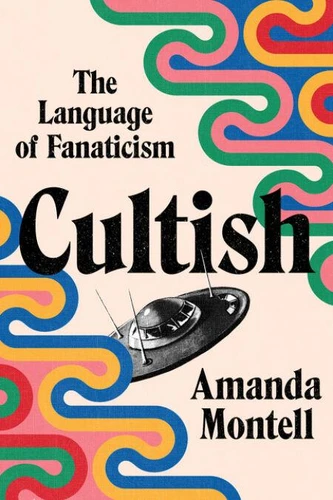
Cultish. The Language of Fanaticism
Par :Formats :
Disponible dans votre compte client Decitre ou Furet du Nord dès validation de votre commande. Le format ePub protégé est :
- Compatible avec une lecture sur My Vivlio (smartphone, tablette, ordinateur)
- Compatible avec une lecture sur liseuses Vivlio
- Pour les liseuses autres que Vivlio, vous devez utiliser le logiciel Adobe Digital Edition. Non compatible avec la lecture sur les liseuses Kindle, Remarkable et Sony
- Non compatible avec un achat hors France métropolitaine
 , qui est-ce ?
Notre partenaire de plateforme de lecture numérique où vous retrouverez l'ensemble de vos ebooks gratuitement
Pour en savoir plus sur nos ebooks, consultez notre aide en ligne ici
C'est si simple ! Lisez votre ebook avec l'app Vivlio sur votre tablette, mobile ou ordinateur :

- Nombre de pages272
- FormatePub
- ISBN978-0-06-299317-5
- EAN9780062993175
- Date de parution15/06/2021
- Protection num.Adobe DRM
- Infos supplémentairesepub
- ÉditeurHarper
Résumé
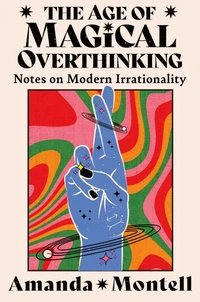
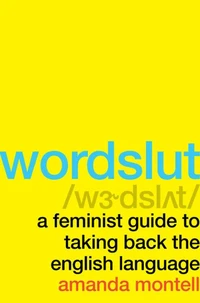
THE NEW YORK TIMES BESTSELLER"One of those life-changing reads that makes you see-or, in this case, hear-the whole world differently." -Megan Angelo, author of Followers"At times chilling, often funny, and always perceptive and cogent, Cultish is a bracing reminder that the scariest thing about cults is that you don't realize you're in one till it's too late."-Refinery29.comThe New York Times bestselling author of The Age of Magical Overthinking and Wordslut analyzes the social science of cult influence: how "cultish" groups, from Jonestown and Scientologists to SoulCycle and social media gurus, use language as the ultimate form of power.
What makes "cults" so intriguing and frightening? What makes them powerful? The reason why so many of us binge Manson documentaries by the dozen and fall down rabbit holes researching suburban moms gone QAnon is because we're looking for a satisfying explanation for what causes people to join-and more importantly, stay in-these cultish groups. We secretly want to know: could it happen to me? Amanda Montell's argument is that, on some level, it already has .
What makes "cults" so intriguing and frightening? What makes them powerful? The reason why so many of us binge Manson documentaries by the dozen and fall down rabbit holes researching suburban moms gone QAnon is because we're looking for a satisfying explanation for what causes people to join-and more importantly, stay in-these cultish groups. We secretly want to know: could it happen to me? Amanda Montell's argument is that, on some level, it already has .