SOLDES
Jusqu'à -70% sur une sélection d'articles*

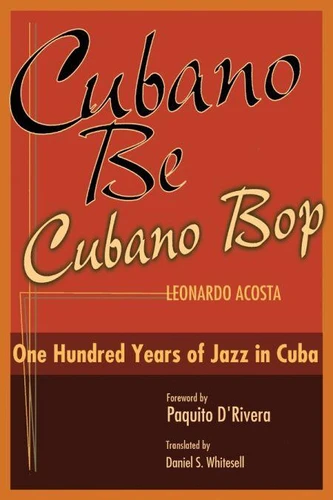
Cubano Be, Cubano Bop. One Hundred Years of Jazz in Cuba
Par : , ,Formats :
Disponible dans votre compte client Decitre ou Furet du Nord dès validation de votre commande. Le format ePub protégé est :
- Compatible avec une lecture sur My Vivlio (smartphone, tablette, ordinateur)
- Compatible avec une lecture sur liseuses Vivlio
- Pour les liseuses autres que Vivlio, vous devez utiliser le logiciel Adobe Digital Edition. Non compatible avec la lecture sur les liseuses Kindle, Remarkable et Sony
- Non compatible avec un achat hors France métropolitaine
 , qui est-ce ?
Notre partenaire de plateforme de lecture numérique où vous retrouverez l'ensemble de vos ebooks gratuitement
Pour en savoir plus sur nos ebooks, consultez notre aide en ligne ici
C'est si simple ! Lisez votre ebook avec l'app Vivlio sur votre tablette, mobile ou ordinateur :

- Nombre de pages320
- FormatePub
- ISBN978-1-58834-547-9
- EAN9781588345479
- Date de parution21/06/2016
- Protection num.Adobe DRM
- Taille6 Mo
- Infos supplémentairesepub
- ÉditeurSmithsonian Books
Résumé
Based on unprecedented research in Cuba, the direct testimony of scores of Cuban musicians, and the author's unique experience as a prominent jazz musician, Cubano Be, Cubano Bop is destined to take its place among the classics of jazz history. The work pays tribute not only to a distinguished lineage of Cuban jazz musicians and composers, but also to the rich musical exchanges between Cuban and American jazz throughout the twentieth century.
The work begins with the first encounters between Cuban music and jazz around the turn of the last century. Acosta writes about the presence of Cuban musicians in New Orleans and the "Spanish tinge" in early jazz from the city, the formation and spread of the first jazz ensembles in Cuba, the big bands of the thirties, and the inception of "Latin jazz." He explores the evolution of Bebop, Feeling, and Mambo in the forties, leading to the explosion of Cubop or Afro-Cuban jazz and the innovations of the legendary musicians and composers Machito, Mario Bauzá, Dizzy Gillespie, and Chano Pozo.
The work concludes with a new generation of Cuban jazz artists, including the Grammy award-winning musicians and composers Chucho Valdés and Paquito D'Rivera.
The work begins with the first encounters between Cuban music and jazz around the turn of the last century. Acosta writes about the presence of Cuban musicians in New Orleans and the "Spanish tinge" in early jazz from the city, the formation and spread of the first jazz ensembles in Cuba, the big bands of the thirties, and the inception of "Latin jazz." He explores the evolution of Bebop, Feeling, and Mambo in the forties, leading to the explosion of Cubop or Afro-Cuban jazz and the innovations of the legendary musicians and composers Machito, Mario Bauzá, Dizzy Gillespie, and Chano Pozo.
The work concludes with a new generation of Cuban jazz artists, including the Grammy award-winning musicians and composers Chucho Valdés and Paquito D'Rivera.