SOLDES
Jusqu'à -70% sur une sélection d'articles*

Nouveauté
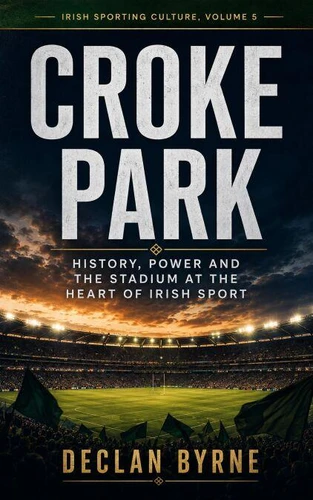
Croke Park: History, Power and the Stadium at the Heart of Irish Sport. Irish Sporting Culture, #5
Par :Formats :
Disponible dans votre compte client Decitre ou Furet du Nord dès validation de votre commande. Le format ePub est :
- Compatible avec une lecture sur My Vivlio (smartphone, tablette, ordinateur)
- Compatible avec une lecture sur liseuses Vivlio
- Pour les liseuses autres que Vivlio, vous devez utiliser le logiciel Adobe Digital Edition. Non compatible avec la lecture sur les liseuses Kindle, Remarkable et Sony
 , qui est-ce ?
Notre partenaire de plateforme de lecture numérique où vous retrouverez l'ensemble de vos ebooks gratuitement
Pour en savoir plus sur nos ebooks, consultez notre aide en ligne ici
C'est si simple ! Lisez votre ebook avec l'app Vivlio sur votre tablette, mobile ou ordinateur :

- FormatePub
- ISBN8235733343
- EAN9798235733343
- Date de parution08/06/2026
- Protection num.pas de protection
- Infos supplémentairesepub
- ÉditeurIoakim Ioakim
Résumé
Croke Park is more than a stadium. It is a national stage, a place of memory, a centre of power and one of the most important sporting spaces in Irish life. From All-Ireland finals and county colours to Bloody Sunday, Hill 16, Rule 42, concerts, redevelopment, broadcasting, museum culture and the business of modern sport, Croke Park has become far more than a venue where matches are played. It is where the GAA system becomes visible at national scale - and where Irish sport reveals its deepest tensions between memory, money, identity and change.
Croke Park: History, Power and the Stadium at the Heart of Irish Sport explores how one ground in north Dublin became the symbolic heart of Gaelic games. Written for GAA supporters, Irish sports fans, diaspora readers, students, tourists, journalists and anyone interested in stadium culture, this book looks beyond the stands to explain why Croke Park matters. Inside, you'll discover:- How Butterly's Field and Jones's Road became the home of Gaelic games- Why Frank Dineen's purchase of the ground changed the future of the GAA- How Croke Park became a national sporting stage before Irish independence- Why Bloody Sunday, 21 November 1920, gave the stadium a tragic and lasting moral weight- How Hill 16 became one of Irish sport's most famous spaces of memory, folklore and crowd identity- Why All-Ireland finals turn county loyalty into national theatre- How crowds, terraces, streets and match-day rituals shape the social life of Croker- Why stadium safety, redevelopment and modern facilities changed the ground's future- How Croke Park became the headquarters of amateur power at professional scale- Why Rule 42 and the opening of the gates to rugby and soccer carried such symbolic force- How the stadium became a place of reconciliation, diplomacy and civic ceremony- Why concerts, conferences and non-GAA events complicate the meaning of a Gaelic games venue- How women's sport has claimed visibility on the main stage- Why local residents, traffic, licensing and neighbourhood pressure matter to the stadium's future- How the GAA Museum, archives and stadium tours turn memory into public history- What Croke Park's future may require in an age of sustainability, accessibility, media change and event powerThis is not a tourist guide, a stadium brochure or a match-by-match chronology.
It is a serious but readable work of Irish sports culture, history and sports-business analysis. Croke Park shows how memory becomes institution, how institution becomes business, and how business still depends on belonging. It is not just where Irish sport gathers. It is where Irish sport explains itself. Croke Park is a clear, thoughtful and accessible guide to history, power and the stadium at the heart of Irish sport.
Croke Park: History, Power and the Stadium at the Heart of Irish Sport explores how one ground in north Dublin became the symbolic heart of Gaelic games. Written for GAA supporters, Irish sports fans, diaspora readers, students, tourists, journalists and anyone interested in stadium culture, this book looks beyond the stands to explain why Croke Park matters. Inside, you'll discover:- How Butterly's Field and Jones's Road became the home of Gaelic games- Why Frank Dineen's purchase of the ground changed the future of the GAA- How Croke Park became a national sporting stage before Irish independence- Why Bloody Sunday, 21 November 1920, gave the stadium a tragic and lasting moral weight- How Hill 16 became one of Irish sport's most famous spaces of memory, folklore and crowd identity- Why All-Ireland finals turn county loyalty into national theatre- How crowds, terraces, streets and match-day rituals shape the social life of Croker- Why stadium safety, redevelopment and modern facilities changed the ground's future- How Croke Park became the headquarters of amateur power at professional scale- Why Rule 42 and the opening of the gates to rugby and soccer carried such symbolic force- How the stadium became a place of reconciliation, diplomacy and civic ceremony- Why concerts, conferences and non-GAA events complicate the meaning of a Gaelic games venue- How women's sport has claimed visibility on the main stage- Why local residents, traffic, licensing and neighbourhood pressure matter to the stadium's future- How the GAA Museum, archives and stadium tours turn memory into public history- What Croke Park's future may require in an age of sustainability, accessibility, media change and event powerThis is not a tourist guide, a stadium brochure or a match-by-match chronology.
It is a serious but readable work of Irish sports culture, history and sports-business analysis. Croke Park shows how memory becomes institution, how institution becomes business, and how business still depends on belonging. It is not just where Irish sport gathers. It is where Irish sport explains itself. Croke Park is a clear, thoughtful and accessible guide to history, power and the stadium at the heart of Irish sport.